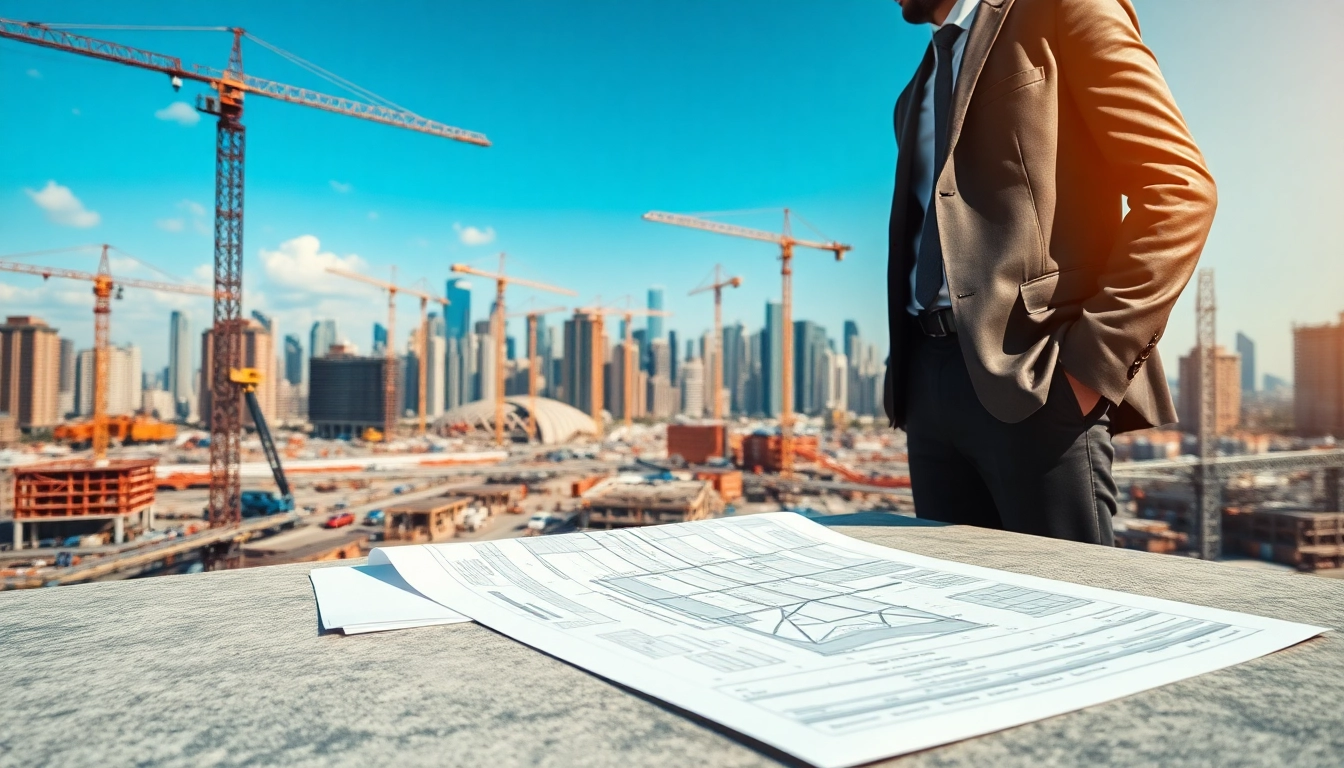
Understanding the Role of a Building Developer
Definition and Importance
A building developer is a professional in the real estate sector who plays a pivotal role in the lifecycle of construction projects. They are responsible for the acquisition, planning, design, financing, and execution of building projects, which can range from residential homes to commercial properties. The importance of building developers cannot be overstated; they significantly influence the built environment and contribute to economic growth through construction and real estate development.
Key Responsibilities
Building developers have a diverse set of responsibilities that encompass various stages of development:
- Site Selection: Identifying and acquiring plots of land suitable for development.
- Feasibility Studies: Conducting financial and market analyses to evaluate project viability.
- Design Coordination: Working with architects and engineers to finalize project designs.
- Financing: Securing funding from investors or financial institutions.
- Construction Oversight: Collaborating with contractors to ensure projects are completed on schedule and within budget.
- Marketing and Sales: Developing strategies for selling or leasing completed properties.
Industry Impact
Building developers play a crucial role in shaping communities and urban landscapes. Their projects can lead to the revitalization of areas, improve local economies, and provide housing and commercial space that meets the needs of growing populations. Furthermore, building developers often influence sustainability practices, pushing for eco-friendly constructions that meet contemporary environmental standards.
Essential Skills for Building Developers
Business Acumen
Successful building developers possess strong business knowledge, including financial management, market analysis, and investment strategies. Understanding how to navigate the real estate market, assess risks, and create profitable ventures is essential for any developer aiming for success.
Project Management Expertise
Project management skills are vital in keeping development projects on track. This includes the ability to coordinate multiple teams, manage timelines, and ensure compliance with building codes and regulations. Effective project management can mitigate risks and enhance the chances of a project’s success.
Negotiation and Communication Skills
Building developers must be proficient negotiators, capable of reaching agreements with landowners, contractors, and investors. Strong communication skills are necessary to foster collaboration among various stakeholders, ensuring all parties are informed and engaged throughout the development process.
The Building Developer’s Process: From Idea to Execution
Feasibility and Planning
The development process begins with rigorous feasibility studies that analyze the market conditions and project profitability. Building developers must assess zoning laws, environmental impact, and community needs to create a robust project plan that aligns with both business goals and local regulations.
Financing the Development
Sourcing financing is a critical step in the development process. Developers often utilize a mix of personal investment, bank loans, and private equity to fund their projects. It’s essential to have a clear financial strategy that outlines budgeting, expected returns, and potential risks to attract and reassure investors.
Construction Management
Once financing is secured, construction management takes center stage. Developers need to work closely with contractors to oversee project timelines, quality control, and safety regulations. This stage also involves regular communication with stakeholders to report on progress and address any issues that arise during construction.
Challenges Facing Building Developers Today
Market Competition
The building development industry is highly competitive. Developers must continuously innovate and differentiate their projects to attract buyers and investors. This might include adopting new technologies, offering unique designs, or incorporating sustainability features that appeal to modern consumers.
Regulatory Hurdles
Navigating regulatory requirements can be a significant challenge for building developers. They must comply with zoning laws, environmental regulations, and building codes, which can vary widely by location. Staying informed about changes in regulations is essential for timely project approvals.
Sustainability Practices
As environmental concerns grow, building developers face increasing pressure to adopt sustainable practices. This includes using eco-friendly materials, minimizing waste, and designing buildings that reduce energy consumption. Balancing sustainability with profitability requires innovative thinking and strategic planning.
Future Trends in Building Development
Impact of Technology
Technology is transforming the building development landscape through advancements like Building Information Modeling (BIM), construction automation, and smart building technologies. These innovations enhance efficiency, reduce costs, and improve project outcomes by facilitating better collaboration and communication among teams.
Shift Towards Eco-Friendly Constructions
The demand for sustainable and eco-friendly constructions is likely to continue growing. Developers are incorporating green building practices to meet consumer preferences and regulatory requirements. This shift could lead to new standards in building materials, design, and energy efficiency.
Market Predictions
The future of building development may see further integration of mixed-use developments. These projects combine residential, commercial, and recreational spaces, catering to diverse community needs. Additionally, urbanization trends may push developers to focus on infill projects that optimize land use in existing urban areas.
FAQs
What is a building developer?
A building developer is a person or entity engaged in acquiring, improving, and selling properties. They oversee the entire development process from planning to execution.
What skills are necessary for a building developer?
Essential skills include business acumen, project management expertise, and strong negotiation and communication abilities to manage various stakeholders and projects.
How does a building developer secure financing?
Developers typically secure financing through a mix of personal investment, bank loans, and private equity. A comprehensive financial strategy is crucial for attracting and reassuring investors.
What challenges do building developers face?
Challenges include market competition, regulatory compliance, and the need to adopt sustainable practices in response to environmental concerns and consumer demands.
What are the future trends in building development?
Future trends include increased use of technology in construction, a shift towards eco-friendly buildings, and the rise of mixed-use developments that better serve urban populations.