Understanding Colonial Home Design Principles
The allure of colonial homes lies in their timeless design and classic features, making them a popular choice among homeowners. With roots deeply embedded in early American architecture, colonial homes are characterized by their symmetrical facades, gabled roofs, and ornate details. Engaging in colonial home new build construction is not merely about replicating historical styles but infusing personal touches while respecting traditional principles. This article will explore the essential elements of colonial home design and how they influence modern construction approaches.
Key Features of Colonial Architecture
Colonial architecture is distinguished by several key features that evoke a sense of history and tradition. These include:
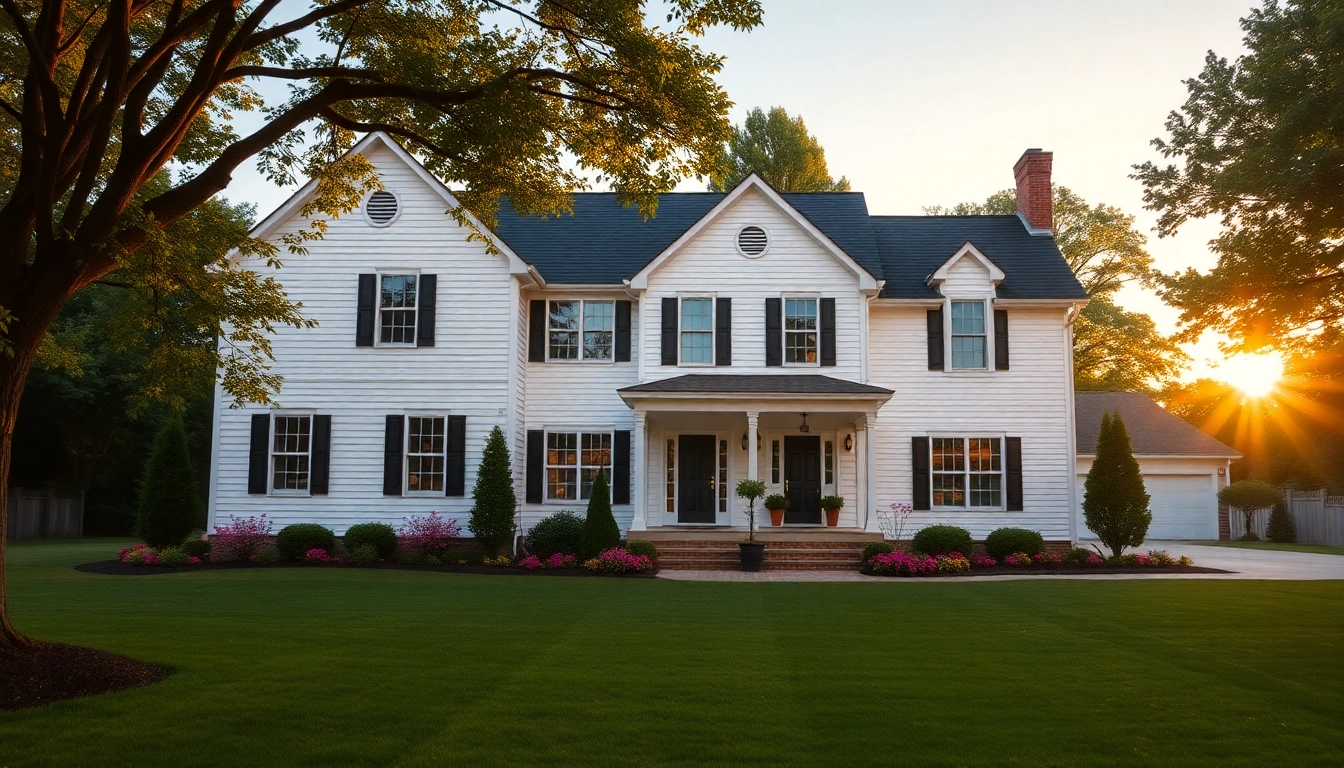
- Symmetrical Facades: Colonial homes typically exhibit a balanced look, with evenly spaced windows and doors on either side of a central entrance.
- Gabled Rooflines: The classic gabled roof adds a distinctive silhouette that is both functional and aesthetically pleasing, often seen in styles like the Georgian and Federal.
- Diverse Window Styles: Double-hung windows with multi-paned designs are common, providing both beauty and functionality.
- Material Authenticity: Traditional colonial homes often incorporate wood, brick, and stone, showcasing craftsmanship and durability.
- Details and Ornamentation: Elements such as shutters, columns, and pediments add architectural interest and reflect the homeowner’s taste.
Benefits of Building a Colonial Home
Building a colonial home boasts numerous advantages, both practical and aesthetic. Here are some compelling benefits:
- Timeless Appeal: Colonial homes never go out of style; their classic designs appeal to a broad audience, enhancing resale value.
- Energy Efficiency: Modern adaptations often incorporate energy-efficient materials and technology, reducing utility costs without sacrificing aesthetics.
- Customization Potential: While adhering to traditional elements, homeowners can personalize features like layouts and finishes, tailoring a colonial home to fit contemporary needs.
- Strong Community Connection: Colonial-style homes often foster a quaint, neighborhood feel, contributing to community pride.
Common Materials Used in Colonial Home Construction
Material selection plays a crucial role in achieving the desired aesthetic and durability of colonial homes. Commonly used materials include:
- Wood: Often used for framing, flooring, and siding, wood brings warmth and familiarity typical of colonial homes.
- Brick: Brick is popular for creating sturdy exteriors that resonate with early American influences and offer excellent insulation.
- Stone: Natural stones, such as granite or limestone, may be utilized for foundations and decorative purposes, adding texture and weight to the home.
- Stucco: In some variations, stucco can provide a smooth, cohesive finish, especially in regions where brick is less common.
Planning Your Colonial Home New Build Construction
Proper planning is crucial in any construction project, especially in building a colonial home. This section discusses essential planning steps to ensure a successful build.
Choosing the Right Location for Your New Build
Location selection can significantly impact the success of your colonial home new build construction. Factors to consider include:
- Community Aesthetics: Consider neighborhoods that feature similar architectural styles, maintaining continuity and community character.
- Accessibility: Proximity to schools, parks, shopping centers, and transportation should be evaluated to ensure a convenient lifestyle.
- Land Characteristics: The topography, soil quality, and drainage conditions play a role in construction feasibility and long-term property value.
Designing Your Floor Plan and Layout
The floor plan is the backbone of your colonial home, dictating space usage and flow. Here are key considerations:
- Coherent Layout: Colonial homes usually feature a central hallway with rooms symmetrically arranged. Consider traffic flow and room accessibility when designing.
- Functional Spaces: Incorporate areas suitable for modern living, such as open kitchens or great rooms, while respecting colonial design limitations.
- Future Needs: Anticipate changes in family dynamics and consider spaces that can accommodate growth or multi-generational living.
Setting a Realistic Budget for Construction
Establishing a clear budget is paramount to avoid overspending. Consider these strategies:
- Preliminary Research: Investigate the cost of materials, labor, and permits in your area, forming a baseline for budgeting.
- Contingency Fund: Set aside 10-15% of your budget for unexpected expenses or modifications during the building process.
- Phased Approach: If the budget is tight, consider executing your project in phases, prioritizing essential areas before personal amenities.
Choosing a Builder for Your Colonial Home
Selecting the right builder is crucial for your colonial home’s success. Here’s what to keep in mind during your search:
Qualities to Look for in a Builder
Not all builders are created equal. Seek the following qualities to ensure you partner with the right professional:
- Experience in Colonial Construction: Ensure the builder has experience in constructing colonial-style homes, understanding the specific architectural elements involved.
- Strong Reputation: Look for builders with favorable reviews and recommendations from prior clients, ensuring trustworthiness and quality.
- Transparent Communication: A good builder should communicate clearly, listen to your ideas, and be open about process timelines and changes.
Interviewing Potential Contractors
Creating a shortlist of builders is just the first step. Use the following tips to effectively interview potential candidates:
- Prepare Questions: Questions about construction timelines, project management, and warranty options can help you gauge their methods and reliability.
- Request Explanations: Ask potential builders to explain their construction process, providing insight into their work ethic and attention to detail.
- Gauge Compatibility: It’s crucial that you feel comfortable with your builder, as a positive working relationship is fundamental to a successful project.
Evaluating Previous Projects and References
Requesting references and evaluating past projects is essential before making a final choice. Consider these steps:
- Site Visits: If possible, tour homes previously built by the contractor. Look for craftsmanship, attention to detail, and adherence to the architectural style.
- Reference Discussions: Speak with prior clients to understand their experiences, specifically about project management and any challenges faced.
- Review Contracts: A reputable builder will provide clear, detailed contracts outlining work scope, expectations, and payment schedules.
Design Trends in Colonial Home New Build Construction
While colonial homes pay homage to the past, innovative design trends enrich their construction. This section delves into modern adaptations of colonial design.
Modern Adaptations of Traditional Colonial Styles
Modern interpretations of colonial architecture blend traditional features with contemporary elements. Key trends include:
- Open Floor Plans: While maintaining a central hall, modern colonial homes may incorporate more expansive living spaces to cater to today’s social lifestyles.
- Sustainable Materials: New construction embraces eco-friendly materials like bamboo flooring and reclaimed wood, aligning with current environmental trends.
- Technology Integration: Smart home technology can enhance functionality while maintaining classic aesthetics, providing convenience for modern families.
Eco-Friendly Construction Practices
Adopting green construction practices is becoming increasingly important. Here are some environmentally friendly strategies:
- Energy-Efficient Insulation: Use sustainable insulation materials that provide superior thermal performance, reducing energy consumption.
- Solar Panels: Integrate solar technology into your design to harness renewable energy, lowering utility costs while being environmentally conscious.
- Water-Saving Fixtures: Install high-efficiency plumbing fixtures and appliances, conserving water without sacrificing functionality.
Incorporating Smart Home Technology
Modern colonial homes increasingly feature smart technology to enhance everyday living. Here are popular options:
- Home Automation Systems: Systems that control lighting, heating, and security remotely enhance comfort and enhance energy efficiency.
- Smart HVAC Systems: Modern heating and cooling technologies adapt to occupancy patterns, optimizing energy use and comfort levels.
- Integrated Security Systems: Advanced security measures such as cameras, sensors, and smart locks ensure peace of mind for homeowners.
Maintaining Your Colonial Home After Construction
After completing your colonial home, ongoing maintenance is essential to preserve its beauty and functionality. Below are key maintenance tips and considerations.
Routine Maintenance Tips for Longevity
Regular home maintenance ensures your colonial home remains in top condition. Key practices include:
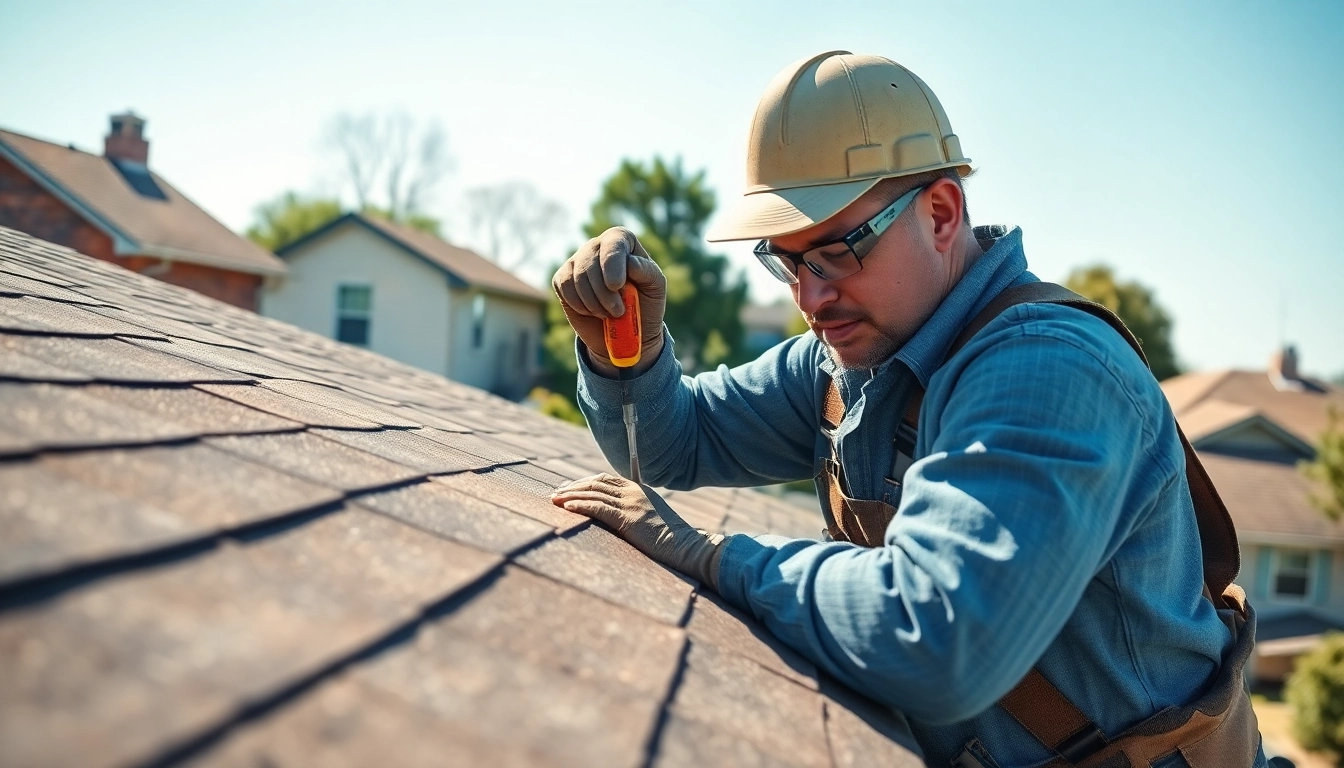
- Seasonal Inspections: Conduct regular roof and gutter checks to prevent leaks and water damage; clear debris, especially in fall and spring.
- Exterior Care: Repaint or re-stain siding every five years to protect wood from moisture and avoid rot or decay.
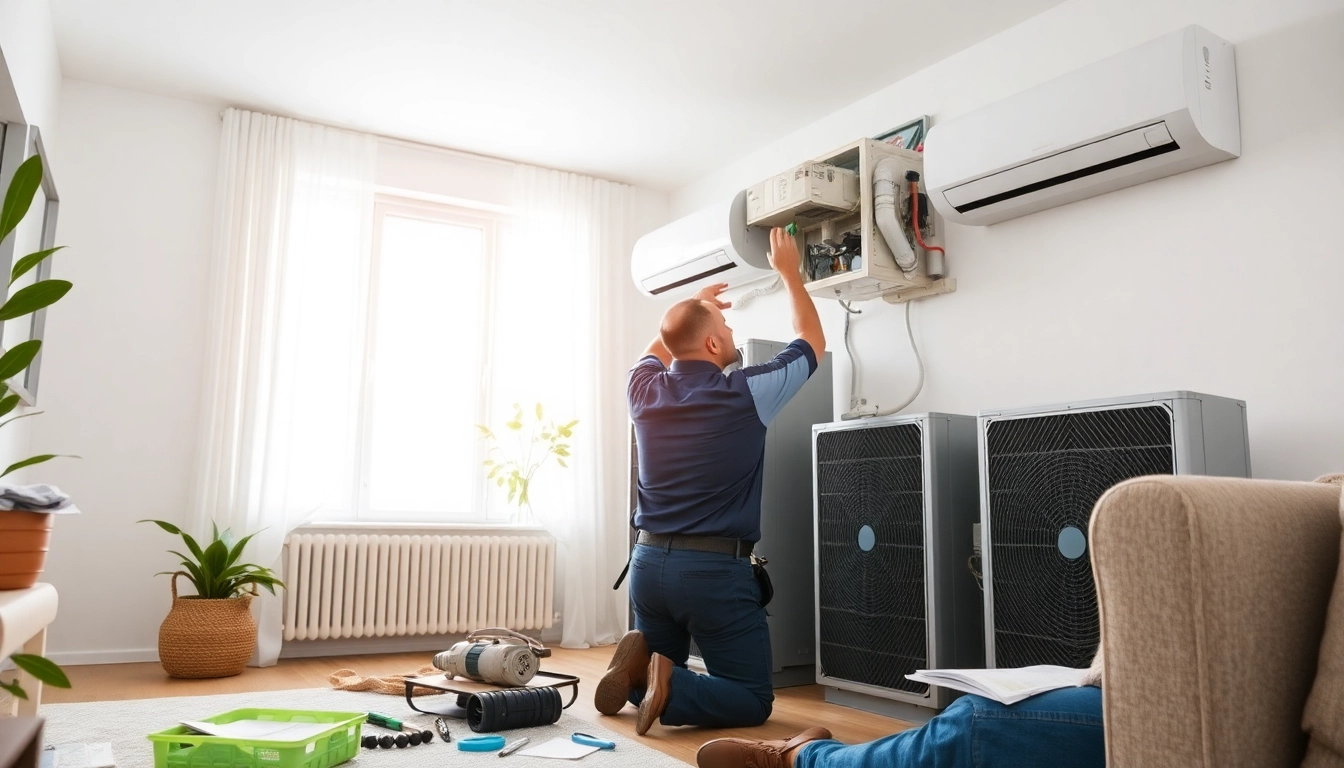
- HVAC Servicing: Schedule regular inspections for your heating, ventilation, and air conditioning systems to maintain efficiency.
Common Issues in Colonial Homes and Solutions
Being aware of potential challenges can help homeowners effectively address them. Below are common problems faced:
- Moisture Issues: Manage moisture to prevent mold. Use dehumidifiers and ensure proper drainage around the foundation.
- Drafty Windows: Inspect and seal window frames regularly to minimize energy loss. Consider adding storm windows for extra protection.
- Foundation Settling: Monitor for cracks; if significant, consult a structural engineer to evaluate and mitigate further damage.
Enhancing Curb Appeal Over Time
Curb appeal is vital for the overall appearance and value of your colonial home. Here’s how to enhance it over time:
- Lush Landscaping: Invest in layered plantings with shrubs, flowers, and trees to create a welcoming and vibrant exterior.
- Front Porch Maintenance: Take care of front porches by repainting, updating railings, or adding decorative cushions to create an inviting space.
- Exterior Lighting: Incorporate stylish lighting options that illuminate pathways and highlight architectural features during evenings.
Frequently Asked Questions (FAQs)
1. What are the essential features of a colonial home?
Colonial homes are characterized by symmetrical facades, gabled roofs, double-hung windows, and traditional materials such as wood and brick.
2. What is the average cost of building a colonial home?
The cost of building a colonial home varies greatly based on location, materials, and size, but it typically ranges from $100 to $300 per square foot.
3. How can I make my colonial home energy efficient?
Incorporate energy-efficient windows, use sustainable insulation, install solar panels, and utilize smart home technology to reduce energy consumption.
4. What is the best location for a colonial home?
Choose neighborhoods that honor historical aesthetic, ensuring proximity to essential services, good schools, and community amenities.
5. How do I maintain the historical character of my colonial home?
Preserve original materials, use period-appropriate colors and materials for repairs, and consult with professionals for renovations to maintain historical authenticity.