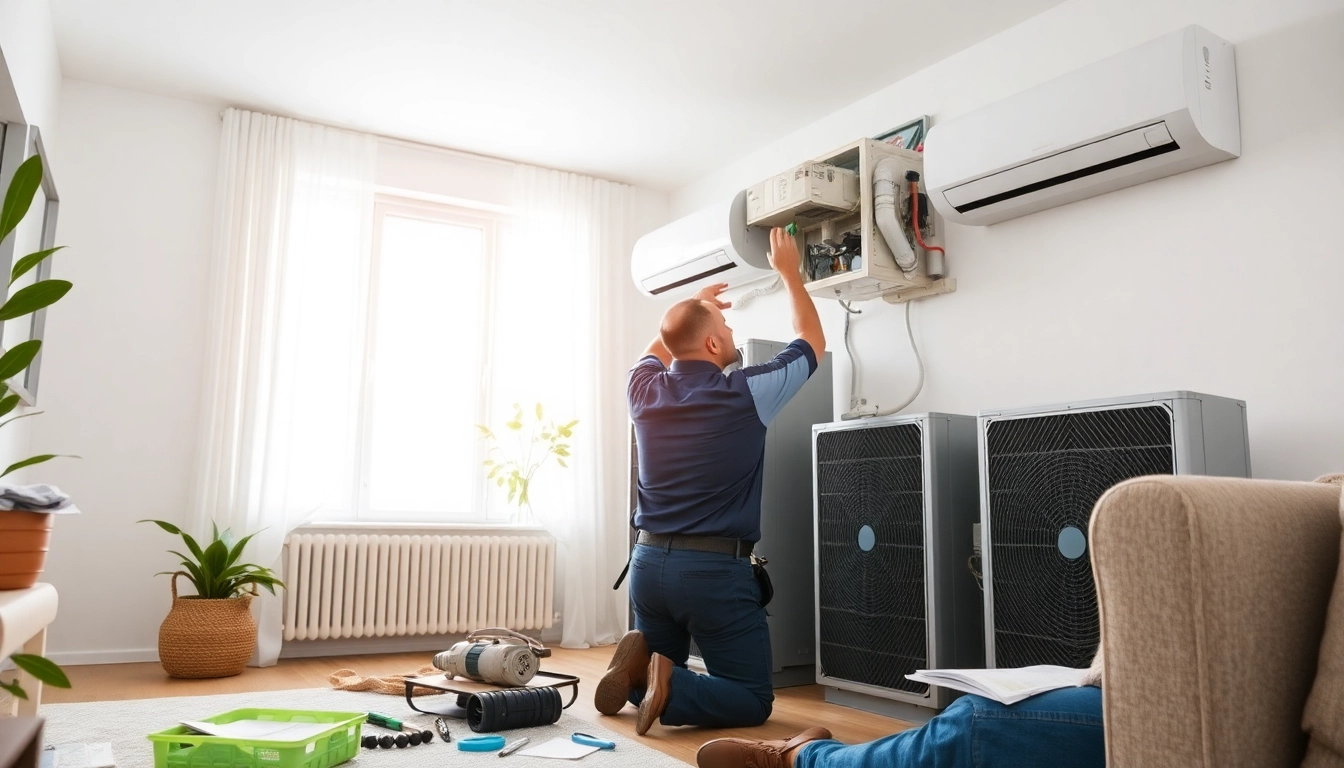
Understanding Energy-Efficient HVAC Systems
What are Energy-Efficient HVAC Systems?
Energy-efficient HVAC systems are designed to maximize comfort while minimizing energy consumption. These systems use advanced technology to heat or cool a home effectively, ensuring that less energy is wasted in the process. This is achieved through improved components such as high-efficiency furnaces, heat pumps, and air conditioners that comply with stringent efficiency standards. These systems focus on reducing the overall environmental impact, which is essential as homeowners become increasingly aware of their carbon footprint. By utilizing energy-efficient HVAC systems, you not only benefit from enhanced comfort but also contribute positively to the environment.
Benefits of Energy-Efficient HVAC Systems
Investing in energy-efficient HVAC systems offers numerous benefits that extend beyond just savings on energy bills. Here are some of the key advantages:
- Reduced Energy Bills: One of the most immediate benefits is the reduction in energy costs. These systems can lower electricity and gas bills significantly, often by 20% to 50% compared to traditional systems.
- Improved Comfort: These HVAC systems improve temperature control and air quality, leading to a more comfortable living environment.
- Environmental Impact: Using less energy reduces greenhouse gas emissions and reliance on fossil fuels, contributing positively to environmental conservation efforts.
- Enhanced Home Value: Upgrading to energy-efficient systems can increase the resale value of your home, as buyers are increasingly looking for energy-efficient features.
- Incentives and Rebates: Many governments and utility providers offer incentives for installing energy-efficient systems, making them more affordable.
Common Energy-Efficient Technologies
Energy-efficient HVAC systems incorporate various technologies that enhance their performance. Here are some common technologies:
- Variable Speed Motors: These motors adjust their speed based on demand, ensuring optimal airflow and reduced energy use.
- Smart Thermostats: These devices learn your schedule and preferences, optimizing heating and cooling schedules to save energy.
- High SEER and HSPF Ratings: Systems with high Seasonal Energy Efficiency Ratio (SEER) and Heating Seasonal Performance Factor (HSPF) ratings offer superior energy efficiency.
- Geothermal Heat Pumps: Utilizing the earth’s stable temperature for heating and cooling, these systems can significantly reduce energy consumption.
- Zoned Systems: These allow different areas of a home to be heated or cooled independently, enhancing comfort while minimizing energy waste.
How to Choose the Right Energy-Efficient HVAC Systems
Assessing Your Home’s Needs
Before investing in energy-efficient HVAC systems, it’s crucial to assess your home’s specific needs. Understanding the square footage, insulation quality, and existing ductwork can all influence the type of system you should choose. Conducting a proper load calculation helps in selecting the right size system; too large or too small systems can lead to inefficiency and discomfort. You may also want to evaluate how often you run your HVAC and the current energy costs to make a well-informed decision.
Professional vs. DIY Installation
While some homeowners may consider a do-it-yourself (DIY) approach for HVAC installation, it’s recommended to hire professionals for several reasons. First, incorrect installation can lead to diminished efficiency and performance, negating the potential savings from using an energy-efficient system. Professionals also ensure compliance with local building codes and regulations, which can be complex. Furthermore, professional installations often come with warranties, providing peace of mind and added security for your investment.
Budgeting for Purchase and Installation
When budgeting for energy-efficient HVAC systems, consider both purchase and installation costs. Energy-efficient systems often have higher upfront costs but frequently offer long-term savings through lower energy bills. Additionally, factor in potential tax credits, rebates, and incentives that can reduce your overall expenditure. Remember to also allocate funds for maintenance and repairs to ensure the longevity of your system.
Installation Process of Energy-Efficient HVAC Systems
Pre-Installation Considerations
Prior to installation, several key considerations must be addressed. Firstly, confirm that all building permits are obtained, as necessary regulations may vary by location. Secondly, prepare the site by ensuring that the area where the system will be installed is accessible and free from debris. Work with an HVAC professional to determine whether your existing ductwork will need modifications or if a new system design is required for optimal performance.
Step-by-Step Installation Guide
The installation process can be complex and is best handled by qualified professionals. Below is a general outline of the steps involved:
- Remove the Old System: Safely disconnect and remove the existing HVAC system, ensuring proper handling of all components.
- Prepare the Installation Site: Verify that the area is clear and suitable for the new installation.
- Install the New System: Follow manufacturer guidelines for the installation of new units, ensuring all electrical and ductwork connections are secure.
- Test the System: Once installed, run tests to ensure the system operates correctly, checking for airflow, temperature settings, and noise levels.
- Cleanup: Properly dispose of the old system and clean the installation site.
Common Installation Challenges
While the installation process can go smoothly, challenges may arise. Common issues include inaccurate load calculations leading to improperly sized systems, existing ductwork that is incompatible with new units, and higher than expected installation costs. Planning ahead and hiring experienced professionals can mitigate these challenges, allowing for a more seamless installation experience.
Maintenance for Optimal Performance
Routine Maintenance Tips
To ensure that your energy-efficient HVAC systems continue to perform at their best, regular maintenance is essential. Here are several routine maintenance tips:
- Change air filters regularly to improve airflow and efficiency.
- Clean the outdoor unit and surrounding areas to avoid blockages.
- Inspect and seal ductwork to prevent energy loss.
- Schedule annual professional maintenance checks to identify potential issues early.
Signs Your HVAC System Needs Service
Being attuned to your system’s performance can help identify when it may need servicing. Signs to watch for include unusual noises, inconsistent temperatures throughout your home, increased energy bills, and frequent cycling on and off. If you notice any of these signs, it’s essential to contact a professional for an inspection to prevent potential breakdowns.
The Importance of Professional Check-Ups
Professional inspections and maintenance are invaluable for preserving the efficiency and lifespan of energy-efficient HVAC systems. Experts can spot problems that a homeowner may miss and perform necessary adjustments or repairs. Regular professional check-ups not only enhance performance but can also extend the life of your HVAC system, providing peace of mind and ongoing comfort in your living space.
FAQs About Energy-Efficient HVAC Systems
What is the lifespan of energy-efficient HVAC systems?
Most energy-efficient HVAC systems last between 15-25 years, depending on the type and maintenance.
How much can I save with energy-efficient HVAC systems?
Homeowners can save up to 30% on energy bills with properly installed energy-efficient HVAC systems.
Are energy-efficient HVAC systems worth the investment?
Yes, they often yield long-term savings that outweigh the initial costs through reduced energy consumption.
Can energy-efficient HVAC systems work in older homes?
Yes, they can be adapted for older homes with proper assessments and retrofitting to meet efficiency standards.
What certifications should I look for?
Look for ENERGY STAR labels and SEER ratings to ensure high efficiency and performance from energy-efficient HVAC systems.