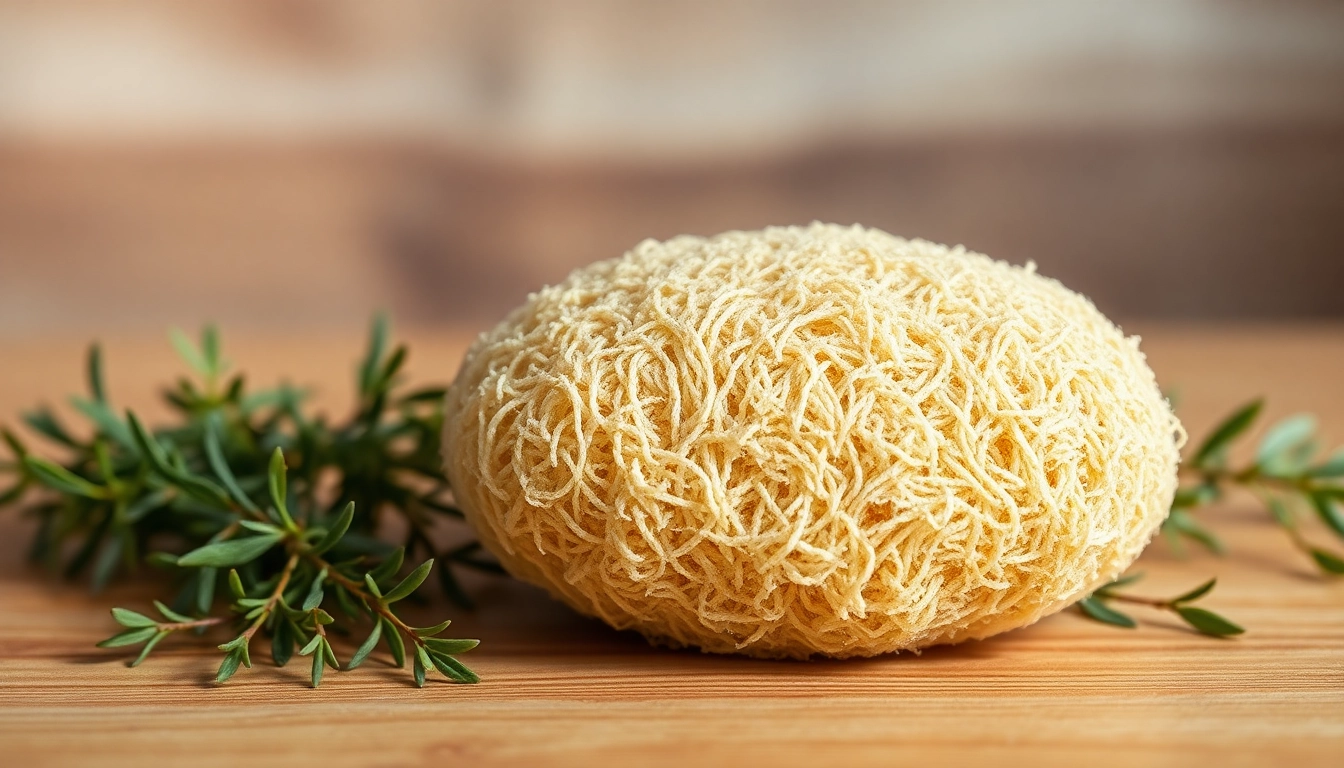
1. Understanding Raw Loofah Sponge
1.1 What is a Raw Loofah Sponge?
The raw loofah sponge is a natural exfoliating tool derived from the loofah plant, specifically the Cucurbitaceae family. Unlike synthetic sponges, raw loofah is made from the fibrous skeleton of the ripe fruit. When dried, it transforms into a coarse, porous sponge that effectively sloughs away dead skin cells, revealing smoother, healthier skin beneath.
1.2 The Origins and Harvesting Process
Raw loofah has its origins in tropical and subtropical regions of the world, including Asia and Africa. The harvesting process begins by allowing the loofah fruit to grow until it matures and ripens. Once harvested, the fruit’s outer skin is removed, and the inner fibrous material is extracted and dried. This process is generally sustainable, making it an eco-friendly option compared to industrial sponges.
1.3 Benefits for Skin Health
Utilizing a raw loofah sponge offers numerous benefits for skin health. Primarily, it acts as an exfoliant, helping to remove dead skin cells that can lead to clogged pores and dull complexion. Additionally, regular use can stimulate blood circulation, promoting healthier skin regeneration and enhancing the effectiveness of skincare products.
2. How to Use a Raw Loofah Sponge
2.1 Preparing the Sponge for Use
Before using a raw loofah sponge, it’s essential to prepare it properly. First, soak the sponge in warm water for about 10 minutes. This allows the fibers to soften, making it less abrasive and more comfortable for your skin. If it’s your first time using a raw loofah, you might want to start with a gentle touch to avoid irritation.
2.2 Recommended Application Techniques
When using a raw loofah sponge, the technique is crucial. Gently scrub your skin in circular motions, starting from your feet and working your way up toward your heart to encourage blood flow. Focus on areas that tend to be rough or dry, like elbows, knees, and heels. Avoid sensitive areas like the face unless you have a specifically designated facial loofah.
2.3 Post-Use Care for Longevity
After using a raw loofah sponge, rinse it thoroughly under warm water to remove all soap and dead skin particles. Shake off excess water and hang it in a well-ventilated area to dry. Proper drying is crucial to prevent bacterial growth. Storing the sponge in a dry location will enhance its longevity, allowing you to enjoy its benefits for a more extended period.
3. Raw Loofah Sponge vs. Other Exfoliating Tools
3.1 Comparing Benefits and Drawbacks
When comparing the raw loofah sponge to other exfoliating tools like synthetic sponges or scrubs, several factors come into play. Raw loofah sponges are biodegradable, making them an environmentally friendly option, while synthetics typically accumulate waste. However, raw loofah can be rougher on sensitive skin, where gentler options like soft exfoliating cloths may be better suited.
3.2 Eco-friendliness of Raw Loofah Sponges
One of the standout benefits of using a raw loofah sponge is its eco-friendliness. Made from a natural plant, it breaks down in landfills and has a low carbon footprint compared to its synthetic counterparts. This sustainability factor appeals to environmentally conscious consumers looking for green alternatives in their skincare routines.
3.3 Choosing the Right Exfoliation Method
Choosing the right exfoliation method depends on your skin type and personal preferences. For those with oily or combination skin, a raw loofah sponge may enhance oil control and clear out impurities. However, individuals with sensitive or dry skin should consider softer alternatives or limit the use of loofah sponges to avoid irritation.
4. Common Concerns About Using Raw Loofah Sponges
4.1 Skin Types and Sensitivities
It’s crucial to consider your skin type before incorporating a raw loofah sponge into your regimen. People with sensitive skin may experience irritation or redness. Always conduct a patch test on a small skin area before use. If irritation occurs, discontinue use or consult a dermatologist for alternatives tailored to sensitive skin.
4.2 Addressing Hygiene and Maintenance
Hygiene is a common concern with exfoliating sponges. To maintain cleanliness, ensure you rinse and dry the raw loofah sponge after each use. Consider replacing it every 3-4 weeks. Regularly disinfecting the sponge by soaking it in a mixture of water and vinegar can help eliminate bacteria and maintain skin health.
4.3 When to Avoid Loofah Exfoliation
Avoid using a raw loofah sponge on sunburned, irritated, or recently shaved skin, as it can exacerbate discomfort and cause more harm than good. Additionally, if you have active skin conditions such as eczema or psoriasis, consult a dermatologist before using any abrasive tools.
5. Frequently Asked Questions
5.1 How often should I use a raw loofah sponge?
It is generally recommended to use a raw loofah sponge 1-2 times a week to effectively exfoliate without causing irritation.
5.2 Can a raw loofah sponge cause skin irritation?
Yes, a raw loofah sponge can irritate sensitive skin. It’s vital to start gently and observe how your skin reacts.
5.3 How do I keep my loofah sponge clean?
Rinse your loofah sponge after each use, soak it in a vinegar solution weekly, and allow it to dry fully to keep it clean.
5.4 Are raw loofah sponges biodegradable?
Yes, raw loofah sponges are 100% biodegradable, making them an eco-friendly choice for your skincare routine.
5.5 Can I use a raw loofah sponge on my face?
It’s best to avoid using raw loofah sponges on the face. Consider using a softer exfoliating sponge specifically designed for facial use.