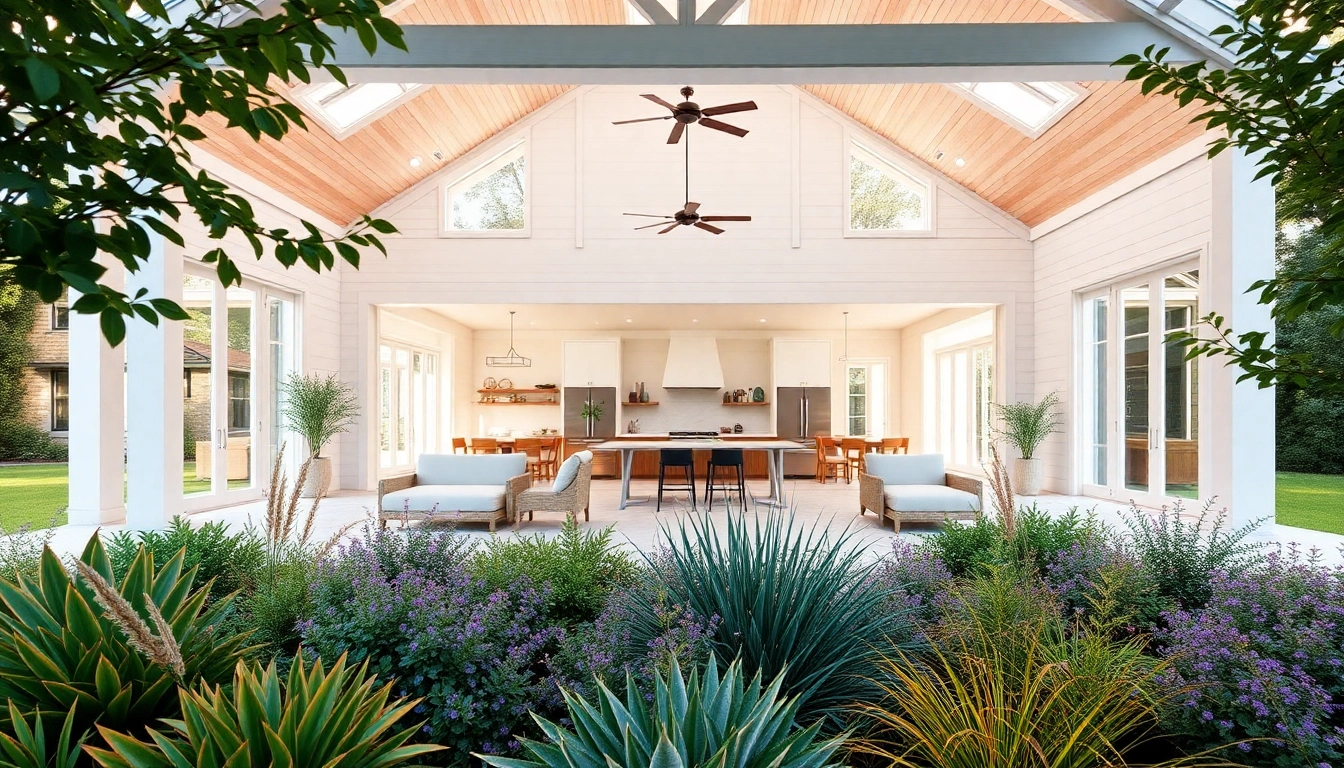
Expanding your home is an exciting venture that offers the opportunity to enhance both the functionality and aesthetic appeal of your living space. A cape cod home addition can bring significant benefits, from the additional square footage to the improved property value. Whether you are looking to create an extra bedroom, expand your kitchen, or add a garage, understanding the various styles, planning considerations, and design aspects of a Cape Cod addition is essential. This comprehensive guide covers everything you need to know about planning your Cape Cod home addition, ensuring that it aligns beautifully with your lifestyle and home’s existing design language.
Understanding Cape Cod Home Addition Styles
Traditional vs. Modern Approaches
When considering a Cape Cod home addition, one of the primary stylistic decisions revolves around whether to adopt a traditional or modern approach. Traditional Cape Cod architecture is characterized by its symmetry, steep roofs, and dormer windows, often exuding a cozy and nostalgic feel. In contrast, modern adaptations might emphasize open spaces, minimalist lines, and larger windows aimed at maximizing natural light.
Choosing between these two styles will depend heavily on your existing home’s aesthetic and your personal style preferences. Traditional additions often blend seamlessly, maintaining a consistent look and feel, whereas modern additions can provide a striking contrast that modernizes the entire property.
Key Architectural Features to Consider
Several architectural features should be at the forefront of your design considerations:
- Roofing Style: Consider whether to maintain a gable roof or opt for a flat or shed roof in modern designs.
- Windows: Traditional homes frequently incorporate double-hung windows while modern designs favor larger, more innovative window shapes.
- Material Choices: Wood siding is prevalent in traditional designs, while stone or metal cladding might be explored in modern aesthetics.
- Entry Points: Think about how the addition’s entry points will impact the flow of the home, either keeping it traditionally simple or opting for expansive glass doors in modern designs.
Color Schemes and Material Choices
The choice of color and materials will significantly impact your home’s overall appearance. Traditional Cape Cod homes often utilize muted tones like navy, grey, and soft white, conveying a sense of beachfront charm. Meanwhile, modern homes might play with brighter colors and bold contrasts.
In terms of materials, wood and shingles are quintessential for a traditional feel, while opting for stone, glass, or even metal can make a modern addition stand out. Ultimately, your choices should harmonize with the existing architecture while also expressing your unique taste.
Planning Your Cape Cod Home Addition
Assessing Your Space and Needs
The first step in planning your Cape Cod home addition is an honest assessment of your current space and needs. Consider the number of rooms needed and their functions — whether to expand the kitchen, add bedrooms, or create a home office. It is crucial to identify which areas of your home feel cramped and how an addition can alleviate that pressure.
Engaging a space planner or architect can also help you visualize options and ensure your needs align with architectural feasibility. Thinking ahead about your lifestyle and growth can aid in planning an addition that remains functional long-term.
Budgeting for Your Addition
Budgeting is one of the most complex yet critical aspects of planning your Cape Cod home addition. Begin by estimating costs for materials, labor, and permits. On average, the cost per square foot for a home addition can range significantly based on complexity and location. Factor in contingencies to handle unforeseen expenses, as these can arise frequently in renovation projects.
Create a budget that accommodates your needs while giving you flexibility. Shielding yourself against inflation in the construction industry is prudent, as prices can fluctuate, particularly with high-demand products and services.
Permits and Regulations Overview
Before breaking ground on your addition, understanding local building codes and regulations is paramount. These rules will dictate everything from zoning laws to structural requirements. Typically, a building permit is required before construction can begin, and some municipalities may have their own specific regulations regarding materials and setback requirements. Be prepared to present your plans to your local planning or zoning board for approval.
It’s advisable to consult with professionals who are familiar with regional zoning laws to navigate this area efficiently, ensuring your addition complies with all necessary legal standards.
Designing Functional Spaces in Your Cape Cod Home Addition
Creating Open Living Areas
The trend towards open living spaces emphasizes functionality, particularly for families that prioritize connectivity. Creating a seamless transition between the kitchen, dining, and living areas fosters family interaction and effortless entertaining.
Consider employing architectural elements like large archways or pocket doors that can be opened or closed to control privacy levels. Utilizing consistent flooring across these spaces can also enhance the sense of unity, contributing to the overarching functionality of your new addition.
Incorporating Outdoor Access
Outdoor spaces are vital in Cape Cod architecture, often acting as an extension of your home. Incorporating large doors or sliding panels can allow for a fluid connection between inside and out. Consider adding a deck or patio that complements your addition, creating a tranquil outdoor sanctuary.
Landscaping should also play a critical role in your design. Use native plants to minimize upkeep and enhance your home’s natural aesthetic. Creating sheltered areas with pergolas or awnings can extend outdoor usage throughout different seasons.
Maximizing Storage Solutions
Storage is a cornerstone of any successful home addition. Identify creative storage solutions right from the planning stage — built-in shelves, under-stair storage, and multifunctional furniture can all contribute to a well-organized space. Designing storage that blends seamlessly into the architecture of your home can be both functional and aesthetically pleasing, improving the overall coherence of the addition.
Consider horizontal storage solutions that take advantage of wall space without consuming too much floor space, especially in smaller additions.
Choosing the Right Contractor for Your Cape Cod Home Addition
Key Qualities to Look For
Selecting the right contractor is critical to the success of your Cape Cod home addition. Look for contractors with a robust portfolio of completed projects that resemble your vision. Ensure they have a solid reputation, borne out of positive reviews and testimonials.
Moreover, communication is vital. Your contractor should be responsive, approachable, and open to your ideas and concerns while bringing their expertise to the table. Seek builders who prioritize transparency in their processes and costs.
Questions to Ask Potential Contractors
Asking the right questions can help filter candidates effectively. Inquire about their experience with Cape Cod-style projects, their familiarity with local building codes, and how they manage timelines and budgets. Ask for references from past clients and follow up to gauge their satisfaction level.
Moreover, understanding their approach to project management will give insight into how they handle challenges and changes throughout the build process.
Reviewing Portfolios and References
A contractor’s portfolio is one of the best tools for gauging their abilities. Look for diversity in style and complexity, while seeking examples of similar projects. Don’t hesitate to ask references specific questions about their experience, including on-site professionalism and how effective the contractor was in staying on budget and schedule.
Consider visiting completed projects if possible; seeing the quality of workmanship firsthand can provide reassurance of their capabilities.
Case Studies of Successful Cape Cod Home Additions
Transformative Designs with Character
One compelling case involved a family that transformed a cramped kitchen into a spacious culinary hub. By carefully blending traditional and modern aesthetics, they created an airy space with vaulted ceilings and oversized windows, allowing natural light to flood the area. This addition not only enhanced their cooking and dining experience but also significantly increased their home’s resale value.
Budget-Friendly Additions That Impress
In another scenario, a couple aimed to keep costs low by focusing on maximizing space without extensive structural changes. They opted for a rear addition that included a small office nook and an open living area. By utilizing salvaged materials and efficient design concepts, they achieved a functional, stylish area without overshooting their budget, proving that thoughtfulness and creativity can lead to elegant solutions.
Lessons Learned from Past Projects
Many homeowners learn valuable lessons during their renovation processes. One such lesson involves the pivotal role of planning. A homeowner who rushed through approvals found themselves facing unexpected delays that extended the project timeline significantly. This experience underscored the importance of thorough planning and regulatory knowledge. Moreover, investing time in designing functional spaces pays dividends long after the construction dust settles.
Frequently Asked Questions
What is the average cost of a Cape Cod home addition?
The cost of a Cape Cod home addition can range between $100 to $300 per square foot, depending on location, materials, and complexity of the design.
How long does it typically take to complete a home addition?
Most home additions take between 3 to 6 months to complete, but this can vary based on the scope of the project, weather, and contractor efficiency.
Do I need permits for a home addition?
Yes, permits are generally required for home additions to ensure compliance with local building codes and zoning laws. Always check with your local municipality.
Can I live in my home during construction?
Yes, many homeowners choose to live in their homes during construction, especially if the addition does not disrupt major living areas. However, expect some noise and dust.
What style should I choose for my home addition?
Your addition style should complement your existing home. Consider whether a traditional Cape Cod feel or a modern twist aligns better with your vision and neighborhood.