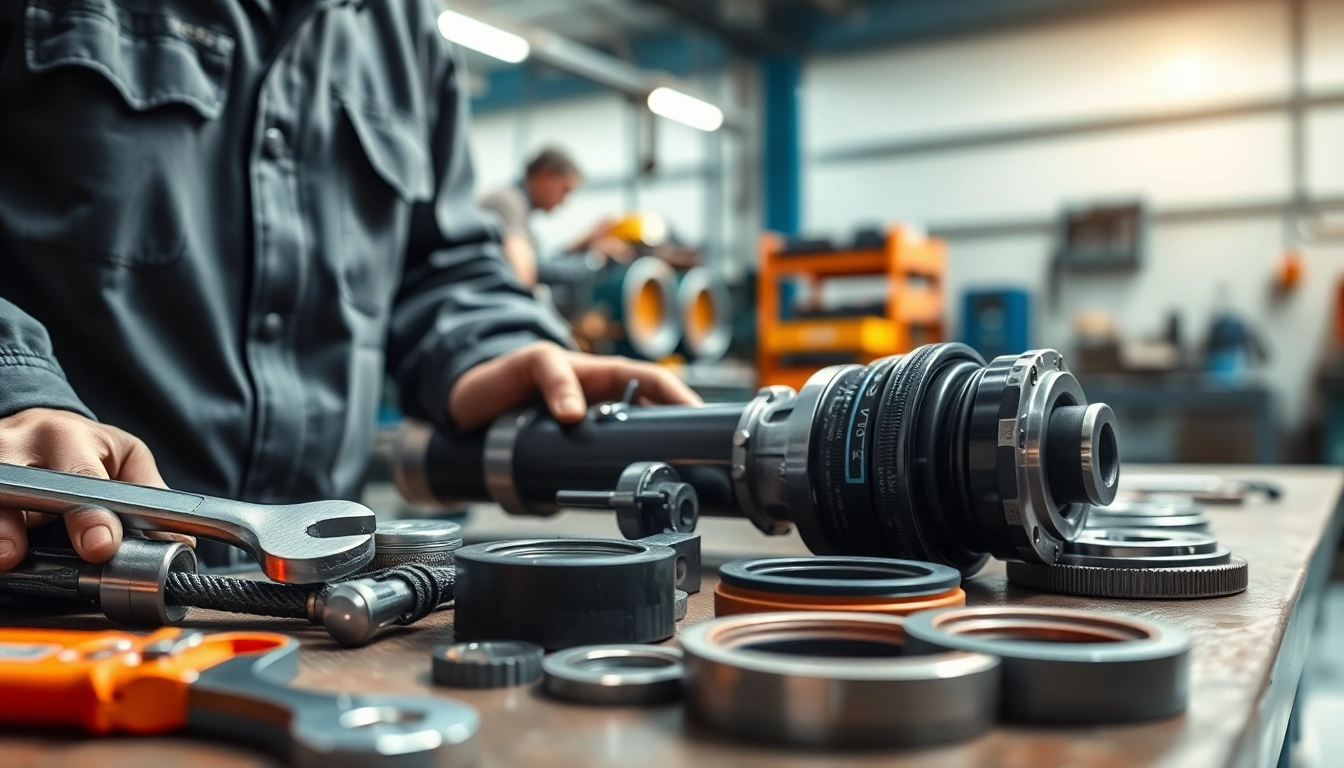
Understanding Hydraulic Cylinder Repair
What is Hydraulic Cylinder Repair?
Hydraulic cylinder repair refers to the process of diagnosing and fixing problems in hydraulic cylinders, which are vital components in many machinery and vehicles. These cylindrical devices are responsible for converting hydraulic energy into mechanical energy, thus facilitating movement and power transmission. When a hydraulic cylinder malfunctions, it can lead to equipment downtime, safety issues, and excessive repair costs. Understanding the repair process is essential for efficient maintenance and operational reliability. Proper hydraulic cylinder repair techniques enable users to restore functionality, extend the lifespan of the equipment, and ultimately save money. Utilizing proper resources and expert knowledge, such as hydraulic cylinder repair guides, can significantly enhance repair effectiveness.
Common Issues in Hydraulic Cylinders
Hydraulic cylinders can experience various issues that may affect their performance. The most common problems include:
- Leaking Seals: This is one of the most prevalent issues, often resulting from wear and tear, leading to loss of hydraulic fluid.
- Scoring on the Cylinder Rod: Damage to the rod can cause seal failure, leading to leaks and loss of pressure.
- Cylinder Drift: This occurs when the cylinder moves unintentionally due to insufficient pressure or internal leaks.
- Internal Corrosion: Moisture and contaminants in the hydraulic system can cause internal corrosion, compromising the cylinder’s integrity.
- Damaged Piston or Gland: Issues with these components can impair movement and create inefficiencies.
When to Consider Repairing a Hydraulic Cylinder
Determining when to repair a hydraulic cylinder can depend on several factors, such as:
- Age and Condition: A relatively new cylinder with minor issues may only need a simple repair, while an older cylinder with repeated problems might require a complete rebuild.
- Cost of Repair vs. Replacement: If repair costs approach or exceed the price of a new cylinder, replacement may be the more economical choice.
- Frequency of Use: Cylinders that are critical to operations and experience continual strain may benefit from prompt repairs to prevent equipment failure.
Tools and Equipment for Hydraulic Cylinder Repair
Essential Tools for Effective Hydraulic Cylinder Repair
To successfully carry out hydraulic cylinder repairs, several tools are essential:
- Wrenches and Sockets: For disassembling cylinder components.
- Seal Pullers: For removing old seals without causing damage to the cylinder.
- Honing Tools: To restore the inner surface of the cylinder barrel after corrosion or damage.
- Gland Spanner Wrenches: Necessary for tightening gland nuts securely.
- Pressure Gauges: For testing the hydraulic pressure after the repair.
Safety Gear and Precautions
Safety should never be compromised during hydraulic cylinder repairs. Essential protective gear includes:
- Safety Glasses: To shield eyes from debris and fluid.
- Gloves: Required for protecting hands while handling hydraulic fluids and sharp components.
- Steel-Toed Boots: To protect feet from heavy falling objects.
- Hearing Protection: Necessary in environments with loud hydraulic equipment.
Why Quality Tools Matter
Utilizing high-quality tools is vital for successful hydraulic cylinder repairs. High-quality tools not only improve the accuracy and efficiency of the repair but also ensure safety. They can withstand the demands of intense hydraulic systems, minimizing the risk of tool failure during repairs. Investing in quality ensures longevity and reliability, which ultimately translates to performance consistency in hydraulic cylinder functionality.
Step-by-Step Hydraulic Cylinder Repair Process
Preparation for Hydraulic Cylinder Repair
The repair process begins with adequate preparation:
- Disconnect the Cylinder: Ensure that the hydraulic lines are disconnected, and ports are capped to prevent fluid spillage.
- Clean the Cylinder Surface: Removing any dirt and debris will allow for a clean working environment and prevent contamination during repairs.
- Gather Tools and Parts: Before disassembly, ensure all necessary tools and replacement parts are on hand.
Disassembly and Inspection Techniques
Disassembling the hydraulic cylinder thoughtfully is crucial:
- Remove the cylinder from its mount securely.
- Use the appropriate wrenches to loosen fasteners and carefully detach the rod, piston, and other internal components.
- Inspect each component for wear, scoring, and corrosion. Pay special attention to seals and seals seats.
- Document any findings to inform the repair process and future maintenance.
Restoration and Reassembly Best Practices
After inspection, restoration involves:
- Replacing Seals: Always replace worn seals with new ones suitable for the operating conditions.
- Honing the Cylinder: If the cylinder is scratched, honing may be necessary to restore the smooth finish.
- Reassembling: Follow a reverse order of disassembly, tightening fasteners gradually and ensuring components fit snugly.
- Testing: After reassembly, reconnect hoses and conduct a pressure test to ensure there are no leaks.
Preventive Maintenance for Hydraulic Cylinders
Regular Inspection Techniques for Hydraulic Cylinders
Regular inspections are essential for proactive maintenance and early troubleshooting:
- Visual Inspections: Check for signs of external leakage, wear, or corrosion regularly.
- Fluid Levels: Monitor hydraulic fluid levels and quality to ensure optimal performance.
- Pressure Testing: Conduct pressure tests in intervals to identify leaks or performance issues before they escalate.
Common Signs of Wear and Tear
Being able to identify signs of wear can prevent more significant issues:
- Leaking Fluid: The most visible sign of failure in seals.
- Unusual Noises: Sounds like grinding or banging can indicate internal problems.
- Cylinder Fluctuations: Inconsistencies in movement or pressure regulation can signify internal issues.
How to Extend the Lifespan of Hydraulic Cylinders
Extending the lifespan of hydraulic equipment requires consistent care and preventative measures:
- Regular Maintenance: Schedule periodic checks including cleaning and servicing.
- Use Quality Fluids: Ensure the correct type and grade of hydraulic fluid to minimize wear and tear.
- Avoid Overloading: Understand the operational limits of cylinders to prevent excessive strain that can lead to premature failure.
Cost Considerations for Hydraulic Cylinder Repair
Breakdown of Repair Costs
The costs associated with hydraulic cylinder repair can vary significantly based on multiple factors, including:
- Type of Cylinder: Larger cylinders or those with complex designs may incur higher costs.
- Severity of Damage: More extensive damage requires more labor and materials, thus increasing costs.
- Labor Rates: Costs can fluctuate based on region and technician experience.
Comparing Repair vs. Replacement
Choosing between repair and replacement involves financial and operational evaluations:
- Cost of Replacement Parts: If new replacement parts are exceedingly expensive, repair may be the more viable option.
- Downtime Impact: Evaluate how long the equipment will be out of service during repairs versus replacement.
- Long-Term Reliability: Assess whether the repaired cylinder will meet performance standards compared to a new one.
Making Informed Budget Decisions
Budgeting for hydraulic cylinder repair involves forecasting costs and planning for contingencies:
- Set Aside Maintenance Funds: Allocate a portion of your budget for regular maintenance and unplanned repairs.
- Prioritize Critical Components: Invest more in repairing key cylinders that have a more significant impact on operations.
- Consult Professionals: Engage experts to get accurate cost estimates and advice on when repairs are most cost-effective.
Frequently Asked Questions
Is it worth rebuilding a hydraulic cylinder?
Rebuilding is cost-effective for relatively new cylinders or those with minor damage. Older or heavily worn cylinders may need replacement for reliability.
How expensive is it to fix a cylinder?
Repair costs can vary widely based on severity, type, and necessary parts, often ranging from a few hundred to several thousand dollars.
What tools do I need for hydraulic cylinder repair?
Essential tools include wrenches, seal pullers, honing tools, gland spanner wrenches, and pressure gauges to ensure effective repair.
How often should I inspect my hydraulic cylinders?
Regular inspections should be conducted at least every three months, or more frequently if the cylinders are in heavy service to catch issues early.
What are the signs of a failing hydraulic cylinder?
Common signs of failure include fluid leaks, unusual noises, pressure drops, inconsistent movement, and visible damage on the cylinder components.
Contact Information
Call Us: 1 780-452-2876
Email: [email protected]
Address: 13111 159 St NW, Edmonton, AB, Canada, T5V 1H6