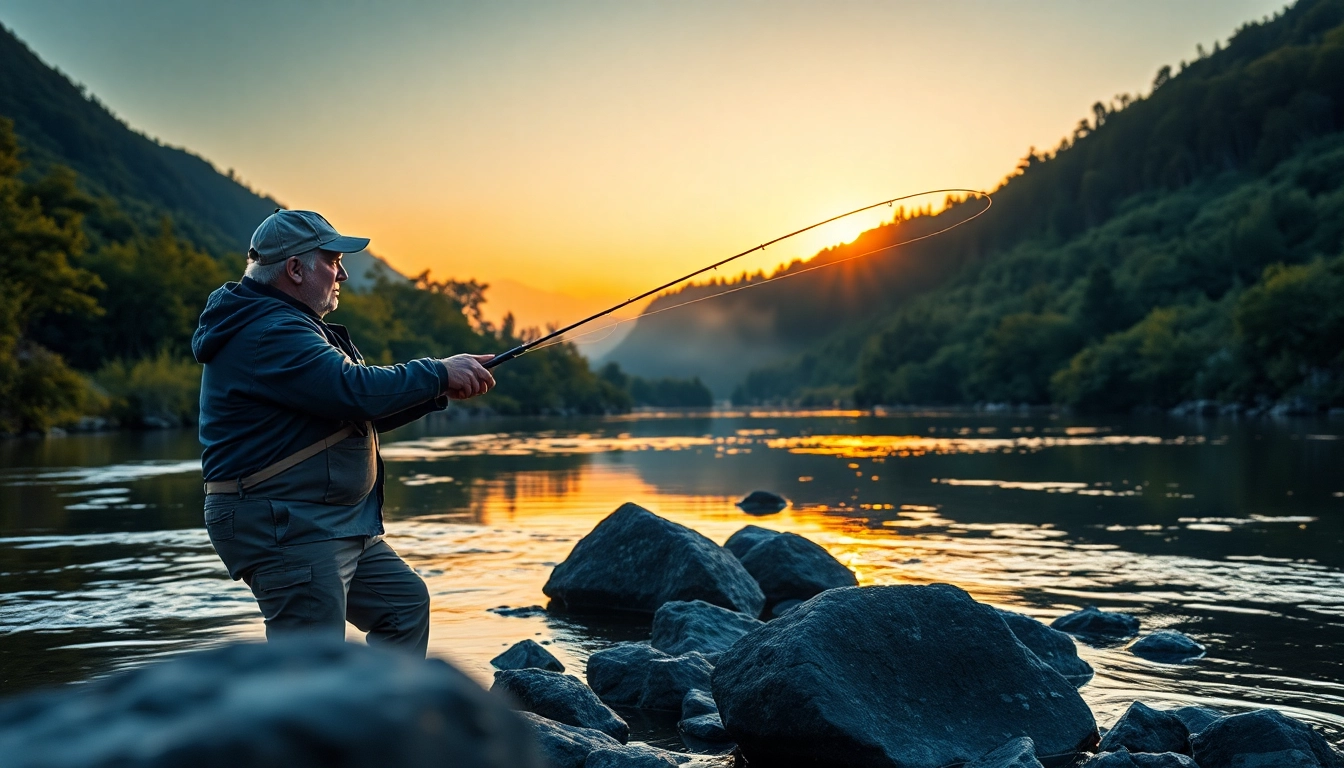
Understanding Fly Fishing Rods
For both beginners and seasoned anglers, choosing the right rod is essential in fly fishing. With an array of options available, understanding the nuances of fly fishing rods can significantly enhance your experience on the water. From the material compositions to the specific functionalities, the best fly fishing rods cater to varying needs and preferences.
What Makes the Best Fly Fishing Rods Special?
The hallmark of the best fly fishing rods lies in their ability to balance flexibility with strength. These rods are designed to cast a lightweight line with precision, allowing for subtle presentations of bait. Anglers should look for options that offer a blend of performance and comfort, which can significantly impact their success on a fishing expedition.
One defining feature of superior rods is the versatility they provide. Experienced fly fishers appreciate how different rods handle distinct types of water bodies, weather conditions, and fish species. These rods enhance the angler’s ability to make those crucial casts that can mean the difference between a great catch and an empty net.
Types of Fly Fishing Rods Explained
Fly fishing rods can be categorized based on their design, purpose, and construction material. The three main types include:
- Single-Handed Rods: Ideal for small streams and rivers, these rods offer agility and ease of use.
- Double-Handed Rods (Spey Rods): Used for larger water bodies, these rods allow for powerful casts and cover more distance.
- Switch Rods: A hybrid between single and double-handed rods, suitable for various fishing situations.
Each type caters to specific fishing scenarios, ensuring anglers can select the rod that aligns with their technique and target fish species.
Materials Used in Fly Rod Construction
Modern fly fishing rods are largely constructed from three primary materials: fiberglass, graphite, and composite materials. Each has its unique attributes:
- Fiberglass: Known for its durability and flexibility, fiberglass rods are often heavier, but they offer excellent casting properties, especially for beginners.
- Graphite: Esteemed for its lightweight and sensitivity, graphite rods provide superior performance and responsiveness, ideal for skilled anglers searching for precision.
- Composite: Combining materials, composite rods aim to offer the best of both worlds, combining strength and flexibility to accommodate various fishing styles.
Understanding these materials helps anglers choose rods based on their preferences for weight, sensitivity, and casting style.
Key Features of the Best Fly Fishing Rods
Length and Weight Considerations
The length and weight of a fly rod play a pivotal role in the overall fishing experience. Generally, rods range from 7 to 10 feet, with longer rods providing increased casting distance and control. However, shorter rods are advantageous for precise casting in tight spaces.
Rod weight is classified by a weight number, typically ranging from 1 to 12, indicating the size of the line it can cast effectively. Selecting the right weight enables anglers to match the rod to specific conditions and fish sizes, ensuring optimal performance.
Action and Sensitivity Explained
The action of a rod refers to how much it bends when pressure is applied. It ranges from slow to fast action:
- Slow Action: Bends primarily at the tip, providing a softer touch for delicate presentations, ideal for smaller fish.
- Medium Action: Balances flexibility and strength, suitable for a variety of fishing conditions.
- Fast Action: Bends closer to the handle, offering instant power and responsiveness, perfect for larger fish or windier conditions.
Understanding the action helps anglers choose a rod that reacts optimally based on their preferred fishing style.
Grip Styles for Comfort and Control
The grip style of a fly rod is crucial for comfort during extended fishing sessions. Some common grip types include:
- Western Grip: Offers a comfortable hold for casting and retrieving, widely favored among anglers.
- Forward Grip: Provides greater control for specific techniques, especially in saltwater fishing.
- Full Wells Grip: Designed for heavier rods, ensuring a secure grip for powerful casts.
Choosing a grip style that feels comfortable can enhance performance and reduce fatigue during fishing trips.
Top Brands for the Best Fly Fishing Rods
Innovative Technologies in Fly Rod Design
As the fly fishing industry evolves, many brands incorporate advanced technologies into their rod designs. Innovative features like improved blank construction, specialized guides to reduce line friction, and ergonomic grips result in rods that enhance the angler’s experience. Moreover, these advancements often focus on weight reduction and increased sensitivity, attributes greatly valued by serious anglers.
Comparing Performance Across Brands
While brand loyalty plays a significant role for many anglers, comparing performance metrics across different brands is essential. Factors like casting distance, accuracy, durability, and sensitivity should be evaluated through real-world testing. Performance evaluations often include user reviews and professional assessments, providing insights into how well each rod performs in various conditions and with different techniques.
Finding Your Ideal Fly Rod Brand
To find the ideal rod brand, it’s essential to consider factors such as personal preferences, specific fishing conditions, and targeted fish species. Engaging in community forums, seeking advice from experienced anglers, and testing out different models in-store can lead to better-informed decisions. Ultimately, the best brand is the one that aligns with your unique style and requirements.
Choosing the Right Fly Rod for Your Fishing Style
Freshwater vs. Saltwater Fishing Rods
One of the primary considerations when selecting a fly rod is the fishing environment—freshwater or saltwater. Freshwater rods typically cater to smaller species and lighter lines, while saltwater rods are designed for larger fish and harsher conditions. Additionally, saltwater rods are built with corrosion-resistant materials to endure salt exposure.
Matching Rods to Fishing Techniques
Different fishing techniques call for specific rod characteristics. For instance, techniques like nymphing and dry fly fishing require sensitivity to detect subtle bites, making fast action rods preferable. Conversely, techniques such as streamer fishing may benefit from stiffer rods that can cast larger flies effectively. Understanding the specialized applications allows anglers to select models that provide the best results.
How to Test Before You Buy
An essential step before purchasing a fly rod is to test it out. Local tackle shops often provide opportunities to cast rods on-site, allowing you to gauge their feel and responsiveness. Pay attention to the rod’s action, weight, grip comfort, and overall balance. Additionally, consider the line-weight compatibility to ensure a well-matched setup.
Care and Maintenance of Fly Fishing Rods
Cleaning Your Fly Rod for Longevity
Maintaining a fly rod involves regular cleaning to ensure longevity. After each use, it’s important to rinse the rod with fresh water to remove dirt, salt, and other debris. A gentle cloth can be used to wipe down the rod, particularly focusing on guides and the reel seat to prevent corrosion and buildup.
Storing and Transporting Your Rod Safely
Proper storage and transportation of fly rods are paramount to avoid damage. When storing, keep rods in a protective case to prevent physical stress and environmental damage. During transport, consider using padded rod tubes to minimize the risk of breakage. Keeping rods organized not only helps in maintaining their condition but also makes them easily accessible for your next fishing adventure.
Repairs: What You Can Do Yourself
Accidents happen, even with the best care. Familiarizing yourself with simple repair techniques, such as replacing a broken guide or checking for minor cracks, can save time and money. However, for significant damage, consulting a professional is advisable to ensure proper repair methods are employed.
Frequently Asked Questions
What is the best rod action for beginners?
For beginners, a medium action rod is recommended as it offers a balance of flexibility and power, making it easier to learn casting techniques.
How do I know what weight fly rod to choose?
Your fly rod weight should correspond to the size of your line and the species you are targeting. Generally, lighter weights are good for smaller fish.
Can I use a freshwater rod in saltwater?
While it’s possible, freshwater rods may not withstand the harsher conditions of saltwater fishing due to corrosion risks and the larger sizes of saltwater species.
What maintenance should I perform on my fly rod?
Regularly clean your rod after use, inspect guides and reel seats, and store it properly in a protective case to maintain its condition.
How often should I replace my fly rod?
With proper care, a good-quality fly rod can last many years. Consider replacement if you notice significant damage or if performance diminishes.