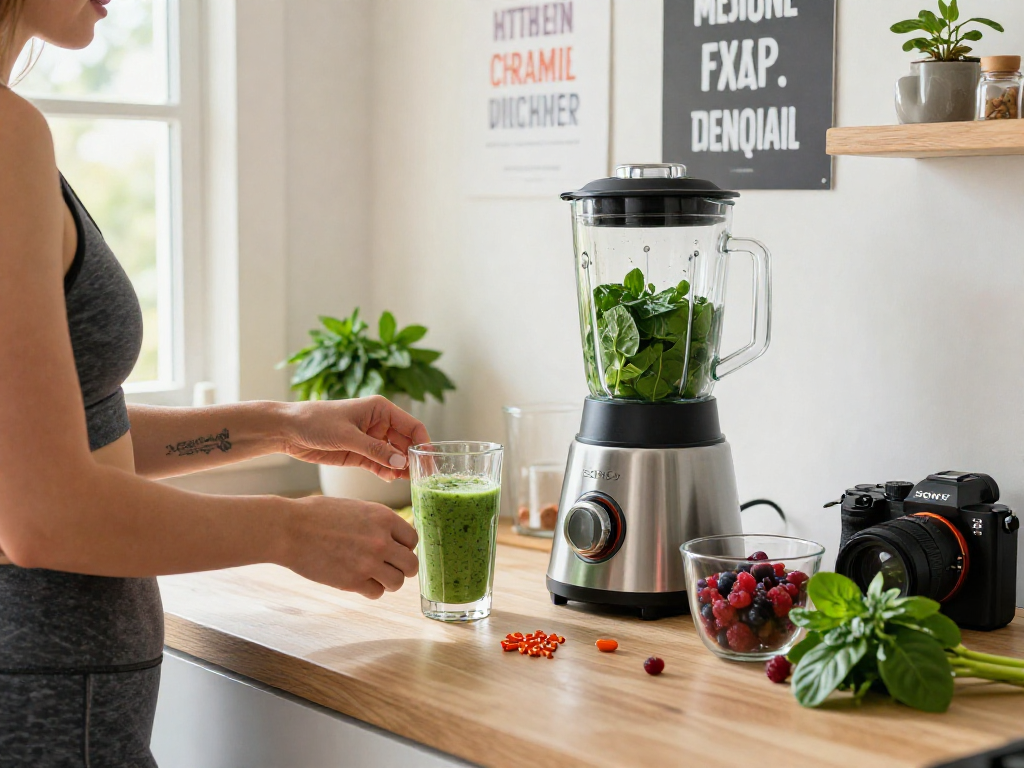
Introduction to Astaxanthin Supplement
Astaxanthin is a powerful carotenoid known for its vibrant red-orange pigment found in various marine organisms. As an astaxanthin supplement, it has garnered attention for its impressive health benefits and antioxidant properties. With increasing interest in dietary supplements and natural health products, understanding astaxanthin and its functionality in the body is crucial for those looking to enhance their wellbeing.
What is Astaxanthin?
Astaxanthin is a xanthophyll, a type of carotenoid that is not synthesized by humans and therefore must be obtained through diet or supplementation. Scientifically known as 3,3'-dihydroxy-beta,beta-carotene-4,4'-dione, this compound is primarily derived from microalgae (Hematococcus pluvialis) but is also present in shellfish, salmon, and other seafood. Its unique molecular structure enables it to efficiently quench free radicals, making it one of the most potent antioxidants known. Research suggests that astaxanthin is up to 6000 times more effective than vitamin C in neutralizing free radicals, contributing to its growing popularity in the health supplement market.
Sources of Astaxanthin
Astaxanthin is abundant in a variety of natural sources. The primary source is the green microalgae, which produce astaxanthin when exposed to stress factors like UV light, nutrient deprivation, and high salinity. Other sources include:
- Seafood: Shrimp, krill, and crawfish are rich in astaxanthin.
- Fish: Salmon, trout, and red snapper are notable for their high astaxanthin content.
- Yeast: Certain yeast strains used in dietary supplements are also viable sources.
While dietary sources can contribute to astaxanthin intake, the concentrated form available in supplements is often recommended for therapeutic purposes.
How Astaxanthin Works in the Body
Astaxanthin functions primarily as an antioxidant, scavenging free radicals and reducing oxidative stress. This capability helps protect cells from damage, which can contribute to aging and chronic diseases. Moreover, astaxanthin demonstrates anti-inflammatory effects, which play a role in reducing inflammation-related diseases. Furthermore, it influences mitochondrial function and supports energy metabolism, enhancing performance and endurance. Astaxanthin also supports skin hydration and elasticity, which contributes to overall skin health.
Health Benefits of Astaxanthin Supplement
The myriad health benefits associated with astaxanthin supplementation make it a compelling choice for individuals seeking holistic health solutions. Among its various effects, the most notable are its antioxidant properties and contributions to skin and eye health.
Antioxidant Properties
Astaxanthin’s standout feature is its superior antioxidant potency. It operates by neutralizing free radicals that can lead to cellular damage and inflammation. Numerous studies indicate that regular astaxanthin intake can significantly reduce oxidative stress markers. This is particularly notable in populations exposed to high levels of environmental stressors, such as athletes and those in polluted urban areas. Astaxanthin helps improve chronic conditions related to oxidative stress, including cardiovascular diseases, neurodegenerative disorders, and metabolic syndrome.
Skin Health Benefits
Astaxanthin is often hailed as a skincare hero due to its ability to protect skin from UV damage. It has been shown to enhance skin elasticity, hydration, and texture while reducing the appearance of fine lines and age spots. Research suggests that astaxanthin can improve overall skin appearance through both topical and oral supplementation. Additionally, astaxanthin's anti-inflammatory properties may help alleviate conditions like acne and psoriasis, contributing to healthier, clearer skin.
Impact on Eye Health
Astaxanthin is gaining recognition for its protective role in eye health, particularly in mitigating age-related macular degeneration (AMD) and other vision-related issues. It is known to accumulate in the retina and protect against oxidative stress caused by UV exposure. Studies indicate that astaxanthin supplementation can enhance visual acuity, reduce eye strain, and improve overall eye function by improving blood flow to ocular tissues. This makes it a valuable supplement for those concerned about maintaining optimal vision as they age.
Recommended Dosage and Usage
When it comes to astaxanthin supplementation, understanding the appropriate dosage and usage is critical for maximizing benefits and minimizing risks.
How Much Astaxanthin to Take?
While there is no universally accepted dosage, research suggests that a daily intake of 4 to 12 mg of astaxanthin can be effective for most individuals. For specific health conditions, higher dosages may be recommended. It's important for individuals to consult healthcare professionals for personalized advice based on their health status and needs.
Timing and Frequency
Astaxanthin is best absorbed when taken with a meal that contains fat, as it is a fat-soluble carotenoid. Therefore, consuming it with breakfast or lunch may enhance its bioavailability. Daily supplementation is advisable to maintain consistent levels in the body and optimize the potential health benefits.
Potential Side Effects
Astaxanthin is generally regarded as safe for most individuals. However, some people may experience gastrointestinal discomfort, changes in skin color, or allergic reactions. Those with specific health conditions or concerns should consult with a healthcare provider before starting supplementation. It’s also prudent to source high-quality astaxanthin supplements to avoid contaminants and lower potency levels.
Comparing Astaxanthin with Other Supplements
With a plethora of supplements available in the market, it’s essential to compare astaxanthin with other popular options to discern its unique advantages.
Astaxanthin vs. Other Antioxidants
When comparing astaxanthin to other antioxidants, such as vitamin C, vitamin E, and coenzyme Q10, its potency stands out. While vitamin C is water-soluble and effective in the bloodstream, astaxanthin penetrates cell membranes more effectively due to its unique structure. This allows it to provide extensive protection against oxidative damage at a cellular level.
The Role of Astaxanthin in Sports Supplements
Astaxanthin has gained traction in the sports sector due to its potential benefits on performance and recovery. Athletes may experience improved endurance, reduced muscle soreness, and enhanced post-exercise recovery by incorporating astaxanthin into their supplement regimen. The compound's ability to reduce oxidative stress can lead to better performance and stamina over time, making it a valuable addition for active individuals.
Synergistic Effects with Other Nutrients
Astaxanthin works well in synergy with other nutrients, such as omega-3 fatty acids and vitamins D and E. Combining astaxanthin with omega-3 helps amplify its antioxidant effects while providing additional anti-inflammatory benefits. This synergistic combination is particularly beneficial for joint health and cardiovascular support, creating a powerful blend for overall wellness.
FAQs About Astaxanthin Supplement
How does astaxanthin benefit my immune system?
Astaxanthin enhances immune response by reducing inflammation and oxidative stress, supporting overall immune function. Regular supplementation can lead to better immunity against infections and diseases.
Can astaxanthin help with inflammation?
Yes, astaxanthin has anti-inflammatory properties that help reduce chronic inflammation in the body, providing relief for conditions like arthritis and joint pain.
Is astaxanthin safe for long-term use?
Astaxanthin is generally safe for long-term use when taken at recommended dosages. Regular monitoring and consulting a healthcare provider are advisable for prolonged supplementation.
Will astaxanthin improve my athletic performance?
Research suggests that astaxanthin may enhance athletic performance by increasing endurance and reducing muscle fatigue, making it beneficial for active individuals and athletes.
What should I look for when choosing an astaxanthin supplement?
Look for high-quality, pure astaxanthin supplements with proven bioavailability. Check for third-party testing and choose products derived from natural sources like microalgae for better potency.