Understanding Natural Astaxanthin and Its Health Benefits
Natural astaxanthin is a powerful antioxidant that has gained recognition for its remarkable health benefits. Unlike synthetic alternatives, natural astaxanthin is derived from microalgae and certain seafood, making it a popular choice for those seeking to enhance their wellness naturally. The compound offers a range of potential health advantages, including support for skin health, immune function, and overall vitality. When exploring options, natural astaxanthin provides comprehensive insights into its benefits and uses.
What is Natural Astaxanthin?
Natural astaxanthin is a keto-carotenoid and is one of the most potent antioxidants found in nature. It is primarily sourced from the microalgae Haematococcus pluvialis, as well as from certain seafood like salmon, shrimp, and krill, giving these foods their vibrant red-orange hue. This compound plays a vital role in protecting organisms from oxidative stress, which is caused by free radicals that can lead to cellular damage and various diseases.
The Science Behind its Antioxidant Properties
Astaxanthin's antioxidant properties stem from its unique molecular structure, which allows it to neutralize free radicals more effectively than many other antioxidants. Research indicates that astaxanthin can combat oxidative stress by scavenging free radicals and protecting cell membranes from damage. Its lipid-soluble nature enables it to penetrate cell membranes easily, providing intracellular protection while also supporting mitochondrial function, which is crucial for cellular energy production.
Key Health Benefits of Natural Astaxanthin
Research has demonstrated that natural astaxanthin offers several health benefits, including:
- Skin Protection: Astaxanthin enhances skin elasticity and hydration, while providing protection against UV-induced damage.
- Eye Health: It may help reduce eye fatigue and improve overall vision by protecting retinal cells from oxidative damage.
- Immune Support: Astaxanthin has been shown to boost immune function and may help mitigate inflammation in the body.
- Muscle Endurance: It can improve physical performance by reducing muscle damage after intense exercise, thus aiding recovery.
Sources of Natural Astaxanthin: Where to Find It
Top Foods Rich in Natural Astaxanthin
Incorporating natural astaxanthin into your diet can be delicious and straightforward. The primary sources include:
- Salmon: Wild-caught salmon is particularly rich in astaxanthin, making it a popular and flavorful choice.
- Krill: Krill oil supplements provide astaxanthin alongside beneficial omega-3 fatty acids.
- Shrimp: This seafood contains astaxanthin and serves as a delightful addition to various dishes.
- Algae: Supplements derived from Haematococcus pluvialis are available for those who prefer plant-based sources.
Supplement Options and Recommendations
For those who may not consume enough natural sources in their diet, astaxanthin supplements are widely available in various forms, including soft gels and powders. When selecting a supplement, it is crucial to choose high-quality products from reputable brands to ensure purity and effectiveness. Look for products that specify the amount of astaxanthin per serving and consider options that are verified for quality.
How to Incorporate Astaxanthin into Your Diet
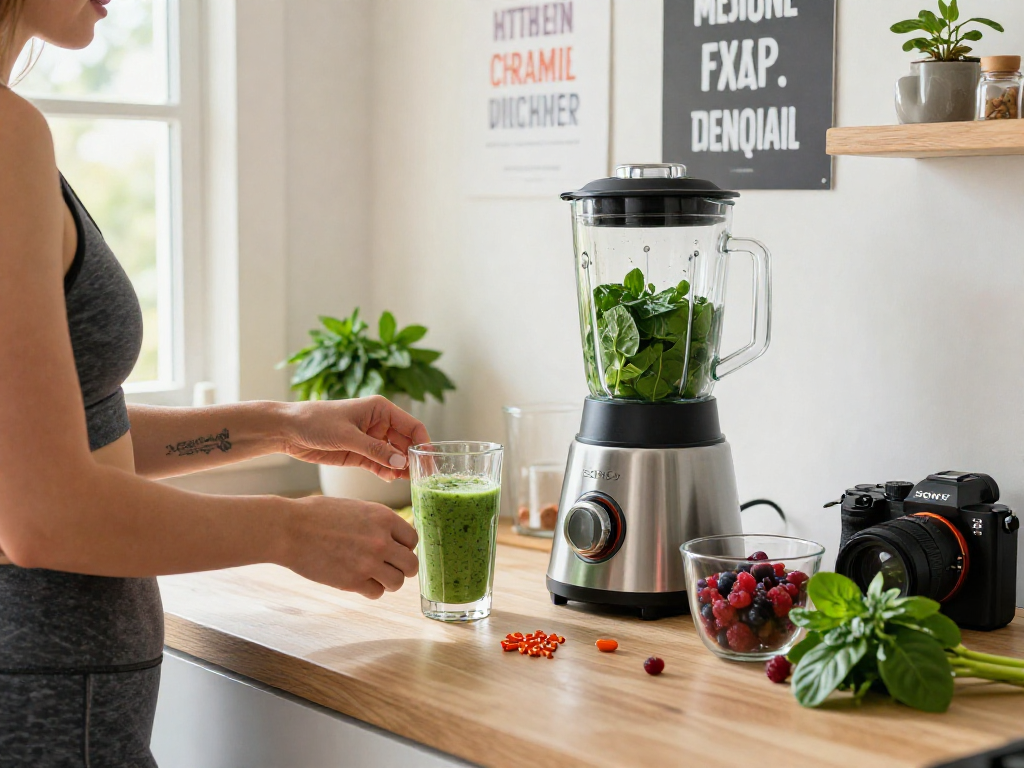
Incorporating astaxanthin into your diet is simple. You can start by adding wild-caught salmon or shrimp to your meals a few times a week. Smoothies that include algae-based supplements or krill oil can also be a convenient way to boost your intake. Additionally, consider integrating more vibrant fruits and vegetables rich in other carotenoids, which can complement astaxanthin in promoting overall health.
Dosage and Safety of Natural Astaxanthin
Recommended Daily Intake Levels
The recommended dosage of natural astaxanthin varies based on individual health needs, but studies suggest a range of 4 to 12 mg per day for general health benefits. It is advisable to consult with a healthcare provider before starting any new supplement regimen, especially for those with pre-existing conditions or those taking medications.
Potential Interactions with Medications
Astaxanthin is generally considered safe for most individuals; however, it may interact with certain medications, particularly blood thinners. Those taking anticoagulants should discuss the inclusion of astaxanthin in their diet with their healthcare professional to avoid potential complications.
Common Misconceptions about Astaxanthin Safety
Some misconceptions about astaxanthin's safety include the belief that it may cause skin discoloration or toxicity. Research has shown that astaxanthin is well-tolerated and does not lead to these adverse effects when consumed in recommended amounts. As with any supplement, moderation and awareness of individual tolerance are key.
Natural Astaxanthin Applications in Wellness Practices
Integrating Astaxanthin into Fitness Regimens
Astaxanthin can be particularly beneficial for athletes and fitness enthusiasts. Its ability to enhance recovery by reducing muscle damage and inflammation makes it a valuable addition to any fitness regimen. Consuming astaxanthin before workouts may help improve endurance and overall performance.
Its Role in Skin Health and Anti-Aging
The anti-aging properties of natural astaxanthin are well-documented, as it can help combat signs of skin aging by reducing fine lines, wrinkles, and UV damage. Incorporating astaxanthin-rich foods or supplements can support skin vitality and radiance, making it a cornerstone of any anti-aging skincare routine.
Boosting Immune Function with Astaxanthin
The immune-boosting properties of astaxanthin are attributed to its ability to modulate immune responses. It helps increase the production of immune cells and reduces inflammation. Regular consumption can fortify the body's defenses against illness, especially during cold and flu seasons.
Future Trends in Natural Astaxanthin Research and Use
Emerging Research on Astaxanthin Benefits for 2026
As research continues, the potential applications of natural astaxanthin are expanding. Emerging studies are exploring its effects on cognitive health, heart disease, and metabolic disorders, suggesting a promising future for astaxanthin in holistic health approaches. By 2026, we may see more clinical evidence supporting its use for diverse health conditions.
The Impact of Astaxanthin in Functional Foods
The integration of astaxanthin into functional foods is on the rise, as manufacturers seek to incorporate this potent antioxidant into products like energy bars, beverages, and health snacks. This trend not only enhances nutritional value but also appeals to health-conscious consumers seeking convenient, health-promoting options.
Predictions for Supplement Industry Developments
As interest in natural health products grows, the supplement industry is expected to innovate further around natural astaxanthin. We may see advancements in extraction methods, improved bioavailability, and personalized supplements tailored to individual health needs. The future of astaxanthin products looks promising as more evidence emerges about its numerous benefits.
What is natural astaxanthin and its primary benefits?
Natural astaxanthin is a powerful antioxidant with multiple health benefits, including supporting skin health, enhancing immune function, and improving exercise performance. Its unique properties make it a sought-after supplement in wellness practices.
How can I incorporate natural astaxanthin into my diet?
You can easily incorporate astaxanthin into your diet by consuming foods like wild-caught salmon, shrimp, or taking high-quality supplements derived from microalgae. Regular inclusion of these sources can enhance your overall health.
Is natural astaxanthin safe for everyone?
While generally considered safe, individuals on certain medications, particularly blood thinners, should consult their healthcare provider before starting astaxanthin. Moderation is essential for all individuals.
What are the best natural sources of astaxanthin?
The best natural sources include wild-caught salmon, krill, and microalgae supplements. These foods not only provide astaxanthin but also offer other essential nutrients beneficial for health.
How does natural astaxanthin compare to other antioxidants?
Natural astaxanthin is often regarded as one of the most potent antioxidants available, surpassing many others in its ability to protect cells from oxidative stress. Its unique molecular structure allows it to provide cellular protection more effectively than many conventional antioxidants.