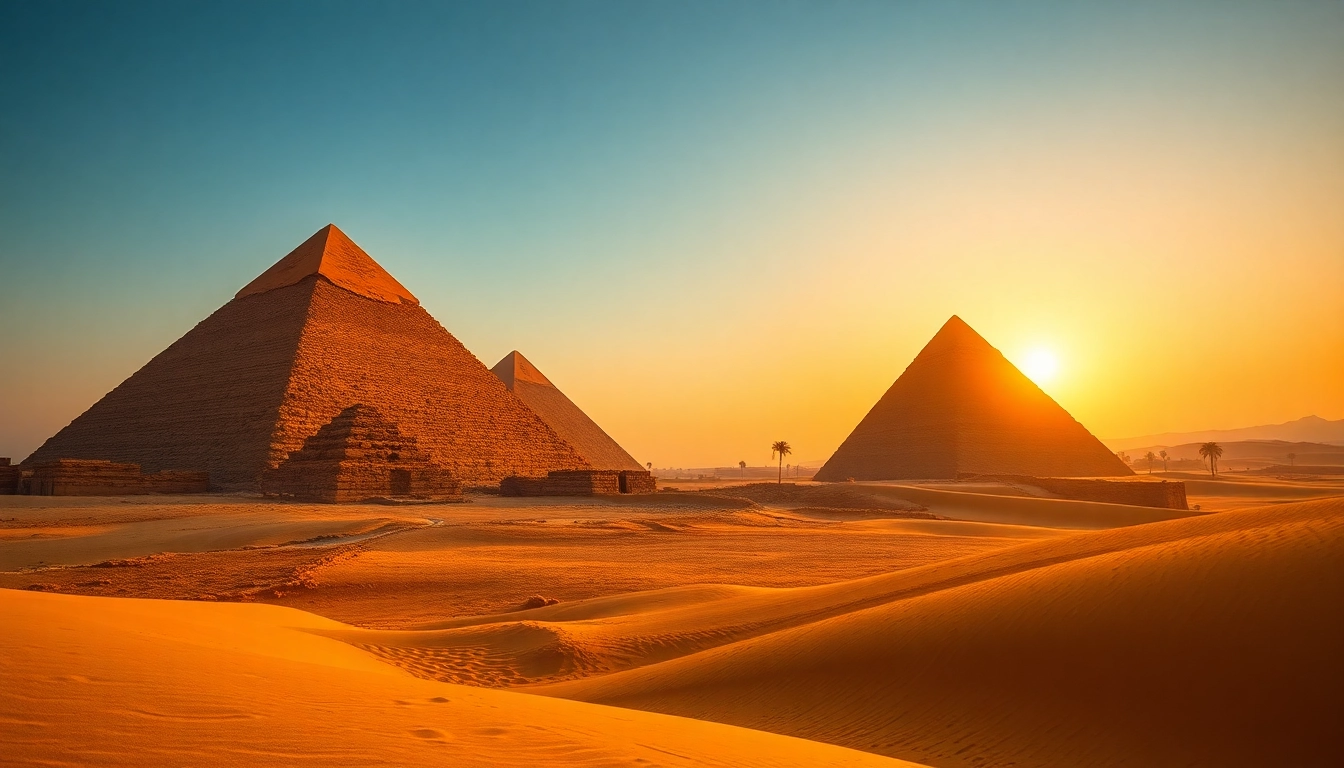
The Historical Context of the Pyramids
The pyramids of Egypt represent some of the most significant archaeological monuments in human history. These architectural marvels not only showcase the engineering prowess of ancient civilizations but also provide a glimpse into the sociopolitical structures of their time. To understand their magnitude, it is essential to delve into their origins, construction techniques, and cultural significance in ancient Egypt. For those seeking to explore more about this captivating subject, visit https://piraminds.com/.
Origins and Construction Techniques
The evolution of pyramid construction can be traced back to the early tombs of Egypt, known as mastabas, which were flat-roofed structures that served as burial places for the elite. The transition from mastabas to true pyramids began during the Third Dynasty with the Step Pyramid of Djoser, designed by the architect Imhotep. This structure marked a significant step in architectural design, as it incorporated a series of mastabas stacked upon each other, eventually forming a six-tiered pyramid.
Subsequent pyramids, like the Bent Pyramid and the Red Pyramid, showcased advancements in construction techniques, including changes in angles and the use of more durable materials. The construction of the Great Pyramid of Giza, completed around 2560 BC, required an estimated 2.3 million stone blocks, each weighing between 2.5 to 15 tons. Researchers suggest various methods for transporting these massive blocks, from using sledges pulled by manpower to leveraging lubrication techniques involving water to reduce friction.
Cultural Significance in Ancient Egypt
Pyramids were more than mere tombs; they symbolized the divine connection between pharaohs and the gods. They were designed to facilitate the deceased's ascension into the afterlife, providing a spiritual pathway to the afterworld. The layout of these pyramids often included mortuary temples, causeways, and burial chambers, reflecting the intricate beliefs surrounding death and resurrection in ancient Egyptian culture.
The pyramids also played a crucial role in affirming the authority of the pharaohs. As monumental structures, they were a testament to the ruler's power and a visual representation of the state’s wealth and resources. The act of constructing these grand edifices was often intertwined with extensive religious and ceremonial practices, further embedding their significance in the fabric of society.
Comparative Analysis with Other Structures
While the Egyptian pyramids are the most recognized, ancient civilizations worldwide constructed similar monumental structures. For instance, the stepped pyramids of the Maya in Central America and the ziggurats of Mesopotamia exhibit parallels in purpose and design. These structures served not only as tombs or temples but also as focal points for cultural activities and rituals.
Comparatively, the pyramids of Giza, with their precise alignments and monumental scale, showcase a heightened level of astronomical and mathematical understanding not commonly found in other civilizations of the same period. The orientation of the pyramids aligns with celestial bodies, illustrating the ancient Egyptians' deep connection between their architecture and the cosmos.
Pyramids of Giza: The Most Iconic Structures
The Pyramids of Giza are the quintessential symbols of ancient Egypt, attracting millions of visitors each year. Located on the Giza Plateau, these structures are famed not only for their colossal size but also for their intricate designs and historical importance. Here, we will explore the most notable pyramids in this complex: the Great Pyramid, the Pyramid of Khafre, and the Pyramid of Menkaure.
Overview of the Great Pyramid
The Great Pyramid of Giza, built for Pharaoh Khufu, is the largest of the three pyramids on the Giza Plateau. Originally standing at 146.6 meters, it was the tallest man-made structure in the world for over 3,800 years. Its construction involved an immense workforce, and its architectural precision—a perfect alignment with the cardinal points—suggests a command of geometry rarely seen in ancient engineering.
The interior of the Great Pyramid features three main chambers: the King's Chamber, the Queen's Chamber, and the Grand Gallery. The King's Chamber, constructed entirely from granite, houses a massive sarcophagus, which some scholars believe contained the remains of Khufu. Numerous theories exist regarding the purpose of the other chambers, but they generally align with the ancient Egyptians’ complex burial rituals.
Pyramid of Khafre: Myths and Realities
The Pyramid of Khafre, the second-largest pyramid at Giza, is often mistaken for being taller than the Great Pyramid due to its elevated location on the Giza plateau. Khafre, son of Khufu, is believed to have built this pyramid; evidence suggests it was originally encased in fine Tura limestone, giving it a shiny appearance. This pyramid also features the Great Sphinx, a monumental statue believed to represent Khafre as a lion, symbolizing strength and power.
Myths surrounding the Pyramid of Khafre persist, particularly in regards to its construction methods. Various ancient texts suggest divine assistance in building the pyramids, primarily due to their extraordinary scale and precision. Modern archaeological studies, however, indicate that skilled labor and extensive planning led to these achievements.
The Pyramid of Menkaure: A Lesser-Known Gem
Unlike the Great Pyramid and the Pyramid of Khafre, Menkaure's pyramid complex includes three smaller pyramids for his wives. This indicates a nuanced approach to burial practices and suggests that royal status was extended to queens as well.
Modern Discoveries and Technologies
In recent decades, advancements in technology have uncovered new findings about the construction and purpose of the pyramids. Techniques such as ground-penetrating radar and 3D imaging have allowed archaeologists to explore the interiors and external structures without invasive digging.
Recent Archaeological Findings
Recent excavations around the Giza Plateau have revealed hidden chambers and tunnels, challenging existing theories regarding their construction and function. For instance, in 2017, a thermal imaging survey detected voids within the Great Pyramid, suggesting possible undiscovered chambers that might provide more insight into ancient burial practices. Moreover, ongoing excavations continue to uncover artifacts that further enrich our understanding of daily life in ancient Egypt.
Technological Advances in Exploration
Modern technology has revolutionized the approach to studying these ancient structures. Innovations such as drone surveys and satellite imaging provide comprehensive overviews of the pyramid complexes, allowing for better preservation and research strategies. These tools help document changes over time, ensuring that valuable historical data remains accessible for future generations.
The Role of AI in Pyramid Research
Artificial intelligence is becoming increasingly integral in analyzing the vast amounts of data collected from pyramid studies. Through machine learning, researchers can identify patterns and correlations in the architectural layout, construction materials, and burial practices. AI allows for sophisticated simulations that can recreate ancient construction techniques, offering new hypotheses related to how these monumental structures could have been built.
Tourism and Global Interest
The pyramids of Giza are not only an archaeological treasure trove but also a vital economic resource for Egypt's tourism industry. Millions flock to witness these wonders, impacting local economies and global perceptions of Egyptian heritage.
Impact on Local Economies
The influx of tourists generates substantial revenue, creating jobs and supporting local businesses. From guiding services and accommodations to artisans selling souvenirs, the tourism industry surrounding the pyramids significantly contributes to the economy. However, it is essential to balance this economic benefit with the challenges posed by over-tourism, which can threaten the preservation of these ancient structures.
Visitor Insights and Experiences
Visiting the pyramids offers a once-in-a-lifetime experience for many, often described as awe-inspiring. Tourists not only explore the pyramids but also engage in cultural experiences, such as guided tours that teach about ancient Egyptian history and customs. Visitor feedback underscores the importance of thoughtful curation of the site, ensuring that while many can appreciate the majesty of the pyramids, the sanctity of the historical context is preserved.
Preservation Efforts for Future Generations
Preservation initiatives are crucial to maintaining the integrity of the pyramids amidst environmental conditions and tourism pressures. Strategies include monitoring structural conditions, controlling visitor access to sensitive areas, and employing conservation techniques to combat natural erosion. Ongoing collaborations between local governments and international heritage organizations work toward ensuring that the pyramids remain standing for future generations to admire and study.
Frequently Asked Questions About the Pyramids
What are the main purposes of ancient Egyptian pyramids?
Pyramids primarily served as tombs for pharaohs, facilitating their journey to the afterlife. They were designed to protect the body and possessions while providing a means for the soul to ascend to the heavens.
How were the pyramids built without modern technology?
Ancient Egyptians employed a large, skilled workforce, using simple machinery like sledges and ramps for transporting and lifting stone blocks. Extensive planning and organization supported their efforts in construction.
What discoveries have been made beneath the pyramids?
Recent studies have uncovered hidden chambers and tunnels beneath the pyramids. Ground-penetrating radar has detected voids, suggesting further exploration may reveal significant archaeological finds.
Are there pyramids outside of Egypt?
Yes, several other cultures built pyramids, including the Mesoamerican pyramids of the Maya and Aztecs, and the ziggurats of Mesopotamia. Each served unique cultural and religious purposes.
How can I visit the pyramids of Giza?
Visiting the pyramids involves traveling to Cairo, Egypt. Multiple tour companies offer guided trips to the Giza Plateau, where ticketing ensures access to various pyramid complexes and key historical sites.