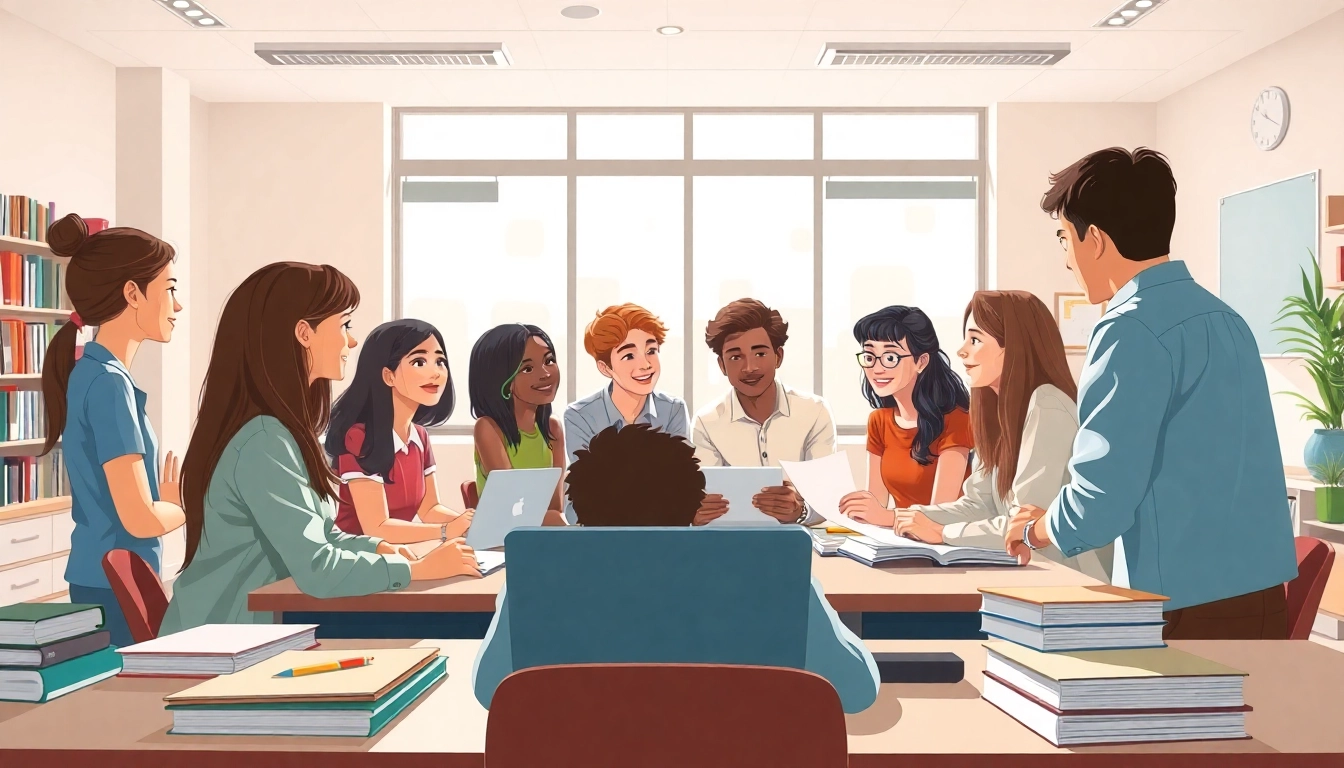
The Foundations of Education
Education is a cornerstone of personal and societal development. It encompasses the transmission of knowledge, skills, and cultural values, nurturing individuals into productive and informed citizens. To understand the magnitude of education, we first explore its definition, historical context, and foundational theories that shape educational practices globally. As we delve into this pivotal subject, we acknowledge the critical role that Education plays in developing practical skills, fostering creativity, and enabling civic engagement.
Definition and Purpose of Education
The term education broadly refers to the processes through which knowledge, skills, values, and beliefs are transmitted from one generation to another. It serves multiple purposes: preparing individuals for employment, fostering critical thinking, and instilling a sense of citizenship. The objectives of education can be categorized as:
- Academic Development: Focusing on cognitive skills and knowledge acquisition.
- Emotional and Social Growth: Nurturing interpersonal skills and ethical values.
- Personal Development: Encouraging self-awareness and personal responsibility.
- Civic Engagement: Preparing learners to participate in society actively.
Historical Overview of Education Systems
Education has evolved significantly over the centuries, shaped by cultural, economic, and political influences. Ancient civilizations established the first structured educational systems, primarily serving the elite classes. The evolution of education can be categorized into key periods:
- Prehistoric Education: Informal learning through observation and imitation.
- Ancient Civilizations: Institutions like Plato’s Academy and Confucian schools that focused on philosophy and moral education.
- The Middle Ages: The church played a central role in education, with a focus on religious studies.
- The Renaissance: A revival of interest in the classical texts and humanist education.
- The Industrial Revolution: Education became more formalized with a focus on vocational training.
- Modern Education: Emphasis on inclusivity, technology, and life-long learning.
Key Educational Theories and Models
Numerous educational theories have emerged, guiding the practice of teaching and learning:
- Constructivism: Advocates that learners construct their own understanding and knowledge through experiences.
- Behaviorism: Focuses on observable behaviors and the idea that learning is a response to external stimuli.
- Cognitivism: Emphasizes understanding the mental processes involved in learning, including memory and problem-solving.
- Humanism: Stresses personal growth and self-actualization in the learning process.
Current Trends in Education
As we advance into the 21st century, the landscape of education continually transforms. New trends emerge as society shifts, with technology at the forefront. These trends shape how educators identify and address the needs of diverse learners.
Technology’s Influence on Education
Technology has become an integral part of the educational experience:
- Digital Resources: Access to vast databases of information and e-learning platforms expands learning opportunities.
- Blended Learning: Combining traditional classroom instruction with online learning fosters flexibility and individualized learning paths.
- Gamification: Incorporating elements of game design enhances student engagement and motivation.
- E-Assessment: Technological tools enable innovative forms of assessment, providing immediate feedback and personalized learning experiences.
Inclusive Education Practices
Inclusion in education focuses on ensuring that all students, regardless of their backgrounds or abilities, have equal access to quality learning opportunities:
- Differentiated Instruction: Tailoring teaching methods to accommodate different learning styles and abilities.
- Universal Design for Learning (UDL): Creating flexible paths to learning that allow for diverse approaches and methods.
- Support Services: Providing additional resources such as tutoring, counseling, and extra-curricular activities that support diverse learners.
Global Education Initiatives
Education is recognized globally as a human right, leading to initiatives aimed at improving educational systems worldwide:
- The Sustainable Development Goals (SDGs): Particularly Goal 4, emphasizes inclusive and equitable quality education and promotes lifelong learning opportunities for all.
- Global Partnerships: Collaborations among countries to improve education quality and access.
- Non-Governmental Organizations (NGOs): Focus on educational outreach in underserved communities, promoting literacy and educational resources.
Challenges in the Education Sector
Despite the advancements in education, numerous challenges persist that hinder progress and equity.
Addressing Inequality in Education
Inequality remains a pervasive issue, with socioeconomic factors playing a significant role in educational disparities:
- Funding Discrepancies: Public school funding often relies on local property taxes, exacerbating inequalities between affluent and low-income communities.
- Access to Resources: Students in under-resourced areas may lack access to books, technology, and qualified teachers.
- Cultural Barriers: Minority and marginalized groups may face cultural obstacles, affecting participation and engagement levels.
Adapting to Changing Workforce Needs
The rapidly evolving job market demands new skills and educational adjustments to prepare students:
- Skills Gap: Many graduates enter the workforce lacking the necessary skills, leading to higher unemployment rates.
- Emphasis on STEM: Science, Technology, Engineering, and Mathematics education is prioritized to meet demands for skilled workers.
- Soft Skills: Increasingly essential for employment, education systems must integrate collaboration, communication, and critical thinking into curricula.
Measuring Educational Outcomes
Measuring the effectiveness of education systems presents significant challenges:
- Standardized Testing: Often fails to encapsulate true learning and development, leading to narrow educational goals.
- Data Collection: Effective tracking of educational progress requires comprehensive and accurate data systems.
- Long-term Outcomes: Assessing impact on lifelong learning and career success can be difficult to quantify.
Innovations Transforming Education
Innovation is crucial for evolving educational practices, leading to enhanced engagement and improved learning outcomes.
Project-Based Learning Strategies
Project-based learning (PBL) immerses students in real-world problems, encouraging higher-order thinking:
- Collaboration: Encourages teamwork and communication as students work together on projects.
- Critical Thinking: Students analyze problems, conduct research, and develop solutions.
- Real-World Relevance: Connecting lessons to real-life issues increases student motivation and engagement.
The Role of Artificial Intelligence in Education
Artificial Intelligence (AI) is reshaping the educational landscape through:
- Personalized Learning: AI systems can assess students' strengths and weaknesses, enabling tailored learning experiences.
- Automation of Administrative Tasks: Reducing administrative burdens on educators allows them to focus more on teaching.
- Intelligent Tutoring Systems: Providing immediate feedback and support to learners, improving retention and understanding.
Community Engagement in Education
Community involvement enriches education by creating partnerships and resources:
- Service Learning: Integrating community service projects into the curriculum fosters civic responsibility.
- Parental Involvement: Encouraging parent participation in school activities enhances students' educational experiences and outcomes.
- Local Business Partnerships: Collaborations with local businesses can provide resources, mentorship, and opportunities for students.
The Future of Education
The trajectory of education is continually shifting. To meet future demands, it is essential to anticipate changes and adapt accordingly.
Predictions for Educational Practices
Experts foresee several trends likely to shape the future of education:
- Increased Emphasis on Lifelong Learning: Education will evolve into a lifelong pursuit, with individuals continually updating skills throughout their careers.
- Virtual and Augmented Reality: More immersive learning experiences will enhance engagement and understanding through experiential learning.
- Global Learning Networks: Technology will facilitate collaboration between learners from diverse backgrounds, enriching the learning environment.
The Impact of Policy Changes on Education
Education policy plays a significant role in shaping educational practices:
- Funding Reforms: Addressing funding inequalities can enhance resource allocation and accessibility.
- Curricular Standards: Developing 21st-century skills as core standards can ensure students are prepared for modern workplace challenges.
- Teacher Training: Policies focusing on professional development can empower educators to adapt to new teaching methodologies.
Preparing Students for a Global Society
As a more interconnected world emerges, education must prepare students to thrive in a global society:
- Cultural Competence: Understanding and valuing diversity becomes crucial in fostering inclusive communities.
- Global Citizenship Education: Educating learners about global issues encourages responsible citizenship and ethical decision-making.
- Language Acquisition: Emphasizing multilingual education prepares students for international interactions and opportunities.