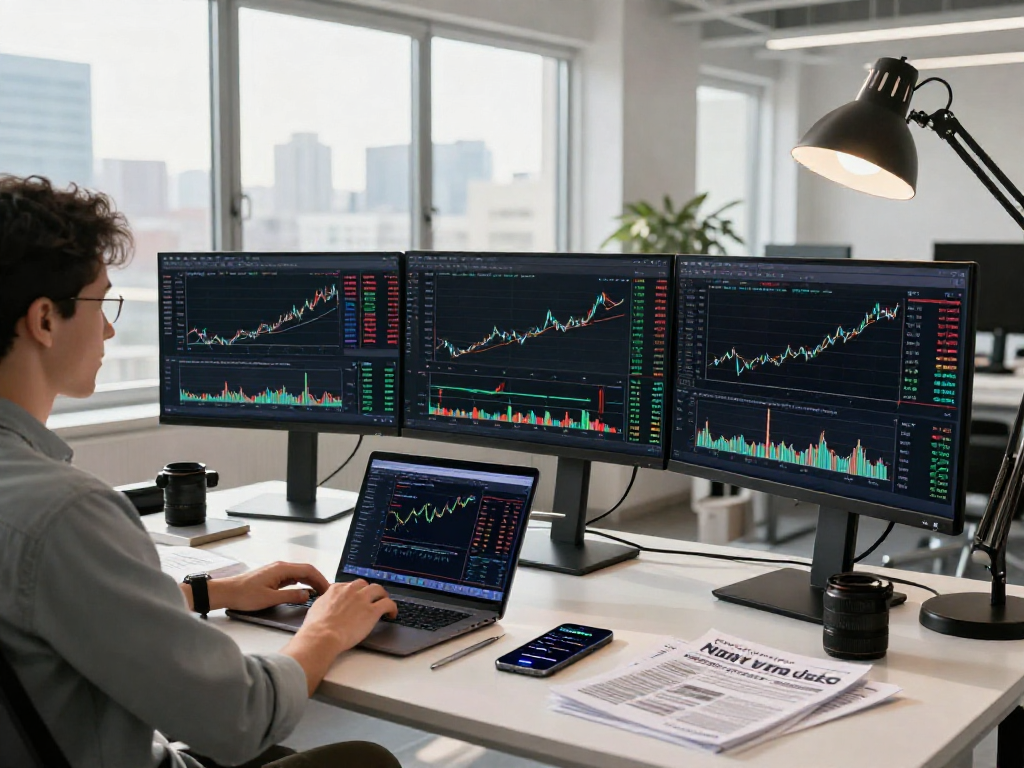
Understanding TradingView: A Comprehensive Overview
In the ever-evolving landscape of financial trading, having a robust toolset is critical for success. TradingView stands out as a leading platform that consolidates various trading needs into a singular, cohesive workspace. Designed for both novice and experienced traders, it simplifies the process of market analysis, allowing users to seamlessly track stocks, forex, cryptocurrencies, and derivatives. With a multitude of features enabling charting, strategy testing, and community engagement, TradingView is tailored to develop actionable insights from complex data streams.
What is TradingView and its Core Features?
TradingView is an advanced web-based platform that provides interactive charting and analytical tools for various financial markets. Users can access real-time data, customizable charts, and a wide array of technical indicators. One of its standout features is the ability to develop custom scripts using Pine Script, which allows traders to create personalized indicators and automated strategies tailored to their specific trading approach. Furthermore, the platform offers social networking capabilities, enabling users to share research and insights, thereby enriching the collective knowledge of the trading community.
Benefits of Using TradingView for Market Analysis
The primary benefits of TradingView lie in its intuitive design and comprehensive features. Here are a few notable advantages:
- Unified Workspace: Traders can manage their charts, alerts, and strategies from a single interface, eliminating the need to switch between multiple applications.
- Real-Time Data: With streaming live data across various asset classes, users can react promptly to market changes and maintain a competitive edge.
- Customizability: Personalized layouts allow traders to adapt their workspace to fit their unique trading styles, whether for day trading or longer-term strategies.
- Community Interaction: Engaging with other traders facilitates knowledge sharing, helping users learn new strategies and analyze market dynamics effectively.
Key Tools and Resources Available on TradingView
TradingView is equipped with a plethora of tools that enhance market analysis:
- Charting Tools: Multiple chart types, indicators, and drawing tools help traders visualize market trends and patterns.
- Stock Screeners: These tools help filter stocks based on specific criteria such as price movements, volume, and technical indicators, making it easier to identify trading opportunities.
- Alerts: Users can set up price and indicator alerts to stay informed of significant market movements without constantly monitoring prices.
- Script Library: A vast library of community-created scripts allows traders to leverage existing strategies or inspire new ideas.
Setting Up Your Trading View: Getting Started
To fully take advantage of TradingView, the initial setup process is crucial. This section provides a detailed guide to help you navigate your first steps effectively.
Creating Your TradingView Account: A Step-by-Step Guide
Getting started with TradingView is straightforward:
- Visit the TradingView website and click on the "Join for free" button.
- Fill in the required information, including your email address and password.
- Verify your account through the confirmation email sent to your inbox.
- Customize your profile by selecting the markets and instruments you’re interested in.
Once your account is set up, you’ll have access to a basic version of TradingView, with options to upgrade as your needs evolve.
Understanding the Interface: Navigating Your Workspace
The TradingView interface is designed for ease of use:
- Chart Area: The main section where you can view your charts and add various indicators.
- Toolbox: On the left side, it contains drawing tools, indicators, and settings.
- Alerts and Screener Panel: Located on the right side, it allows for easy access to alerts and stock screening features.
- Workspace Layout: Users can save different layouts and switch between them as needed, accommodating different strategies and trading styles.
Customizing Your Trading Setup: Layouts and Preferences
Customization is key in TradingView. Users can adjust their workspace to prioritize the tools and charts most relevant to their trading strategy:
- New Layouts: Create multiple layouts for different trading strategies, allowing for quick transitions based on market conditions.
- Save Templates: Save your favorite chart setups as templates for future use.
- Personalized Indicators: Modify existing indicators or create new ones using Pine Script to suit your analysis style.
Trading Strategies with TradingView: Tools for Success
With TradingView’s robust features, developing a successful trading strategy is more streamlined. Here’s how to harness these capabilities effectively.
Building an Effective Trading Strategy Using TradingView
When building your trading strategy on TradingView, consider the following steps:
- Set Clear Goals: Define what you aim to achieve with your trading—whether it's short-term gains or long-term investment.
- Choose Your Instruments: Focus on specific assets that align with your risk appetite and trading style, like stocks, forex, or cryptocurrencies.
- Analyze Data: Use the charting tools and indicators to analyze market trends and make informed decisions.
- Test Your Strategy: Utilize the backtesting features to evaluate your strategy against historical data before deploying it in real-time.
Utilizing Screeners and Alerts for Optimal Trading
Screeners and alerts are essential for effective trading:
- Screeners: Use these tools to filter through thousands of assets to find those that meet your criteria. For instance, filter stocks based on technical indicators like RSI or moving averages.
- Alerts: Set price alerts for critical levels that can impact your trading decisions. Alerts can be sent via email or push notifications, ensuring you never miss an opportunity.
Backtesting Strategies: Evaluating Historical Performance
Backtesting is vital to validate your trading strategy:
- Strategy Tester: TradingView includes a built-in strategy tester that allows users to run historical simulations of their trading strategies.
- Performance Metrics: Analyze various performance metrics such as win rate, maximum drawdown, and profit factor to assess the viability of your strategy.
- Adjustments: Refine your strategy based on backtesting results, continuously improving your approach to adapt to changing market conditions.
Community and Support: Engaging with TradingView's Network
Becoming an active member of the TradingView community can significantly enhance your trading experience. Here’s how you can leverage this network.
Exploring the TradingView Community: Sharing Ideas and Strategies
TradingView boasts a vibrant community where traders can share insights:
- Idea Sharing: Post your trading ideas and receive feedback from other traders. This can help refine your strategies and validate your thought processes.
- Follow Influential Traders: Connect with seasoned traders and follow their analysis to gain different perspectives on market movements.
- Participate in Discussions: Engage in forums and discussions to learn from others' experiences and broaden your knowledge base.
Accessing Educational Resources and Tutorials
Education is crucial for traders looking to improve their skills:
- Tutorials: TradingView provides numerous tutorials covering various aspects of the platform, from basic setup to advanced analytical techniques.
- Webinars: Regular webinars hosted by experienced traders can provide insights into market strategies and best practices.
- Documentation: The platform's documentation offers detailed information about features and functionalities, making it easier for users to understand and navigate the platform.
Utilizing Customer Support for Optimal Experience
Should you encounter any issues, TradingView's customer support is readily accessible:
- Help Center: A comprehensive help center provides answers to common questions and troubleshooting tips.
- Direct Support: Users can submit inquiries for more specific issues and receive personalized assistance.
- Community Forums: Engaging with other users can also provide alternative solutions to issues you may face.
Future Trends in Trading: What's Ahead for TradingView?
As technology continues to reshape the financial markets, staying ahead of trends is essential for traders. Here’s a look at what the future may hold for TradingView and its users.
Emerging Technologies in Financial Trading for 2026
Several technologies are set to transform the trading landscape:
- Artificial Intelligence: AI-driven analytics will enhance decision-making processes by providing deeper insights and predictions based on vast datasets.
- Blockchain Technology: With the rise of decentralized finance (DeFi), understanding blockchain’s implications for trading will become increasingly important.
- Enhanced Mobile Trading: The proliferation of mobile apps will allow for real-time trading, making it crucial for traders to stay connected, no matter where they are.
Predictions for TradingView's Evolution and Features
As TradingView continues to grow, we can expect:
- Advanced Customization: More tools for personalization, allowing users to tailor their workspace to their specific trading styles even further.
- Integration with More Brokers: Continued expansion of broker relationships for seamless trading from the platform.
- Increased Community Features: Enhanced social trading capabilities will allow users to follow and replicate the strategies of successful traders.
Adapting to Market Changes Using TradingView Insights
As market conditions evolve, so must strategies. TradingView equips users with real-time insights, supporting adaptive trading approaches:
- Market News: Integrated financial news sources will provide timely updates that affect trading decisions.
- Sentiment Analysis:Tools to gauge market sentiment based on social media and community discussions will become more prevalent, aiding in forecasting market trends.