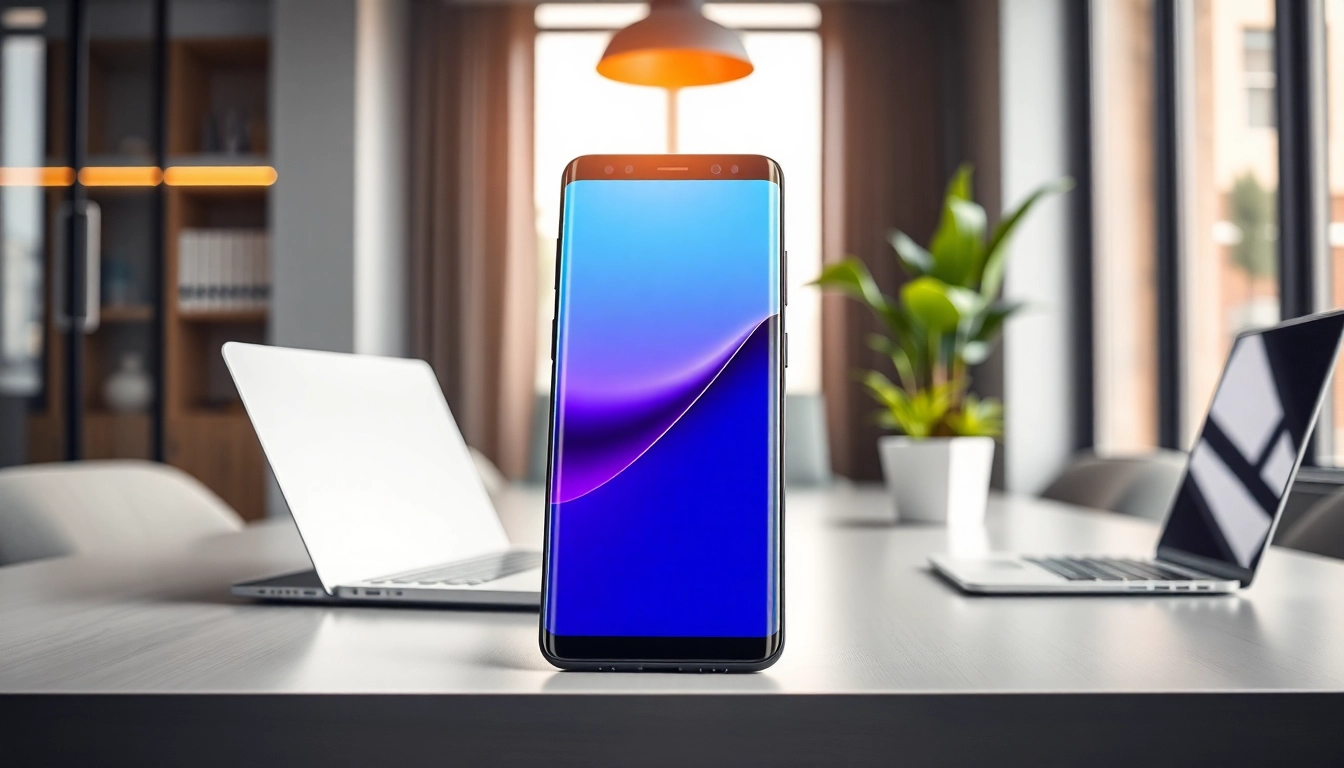
Overview of the Samsung Galaxy S8
The Samsung Galaxy S8, released in March 2017, was a pivotal device in the smartphone evolution. It marked a significant shift in design and functionality, resonating with both tech enthusiasts and the general public. With its sleek design and cutting-edge features, the Galaxy S8 has continued to be a topic of interest even in 2025. While newer models are available, the S8 still holds its ground as a reliable option for users who appreciate solid performance and elegant design. When exploring options, S8 provides comprehensive insights into what makes this smartphone an enduring choice.
Key Features and Specifications
The Samsung Galaxy S8 comes packed with features that were groundbreaking at its launch. It sports a 5.8-inch Super AMOLED display with a resolution of 1440 x 2960 pixels, offering stunning visuals and vibrant colors. Under the hood, it is powered by the Exynos 8895 or Snapdragon 835 processor (depending on the region), coupled with 4GB of RAM, which ensures smooth multitasking capabilities. The S8 also boasts a 12 MP rear camera with optical image stabilization and an 8 MP front-facing camera, making it suitable for photography enthusiasts.
- Display: 5.8-inch Super AMOLED, 1440 x 2960 pixels
- Processor: Exynos 8895 or Snapdragon 835
- RAM: 4GB
- Rear Camera: 12 MP with OIS
- Front Camera: 8 MP
- Battery: 3000 mAh
- Operating System: Android 7.0 (upgradable)
Design Evolution in the Smartphone Market
The design of the Samsung Galaxy S8 marked a departure from conventional smartphone aesthetics. The edge-to-edge display eliminated a physical home button, allowing for a more immersive viewing experience. Its sleek glass body and aluminum frame have influenced subsequent smartphone designs across various brands, setting a precedent in the industry. The S8's design remains a benchmark for manufacturers aiming to create visually appealing devices.
Market Position and User Demographics
Initially targeting tech-savvy consumers, the Galaxy S8 quickly found favor among a broader audience, including those seeking style and function. Market analyses reveal that it appealed largely to millennials and younger Gen Z users, who prioritize both aesthetics and performance in their devices. As the smartphone market has grown more competitive, the S8's enduring popularity reflects its ability to meet diverse user needs.
Performance Analysis of the Galaxy S8
The performance of the Samsung Galaxy S8 is a critical aspect that has kept it relevant in discussions about smartphones, even years after its release. Its solid hardware specifications combine to provide a fluid user experience that continues to satisfy many users.
Processor and RAM: What to Expect
Equipped with either the Qualcomm Snapdragon 835 or the Exynos 8895, the Galaxy S8 delivers performance that rivals many contemporary devices. The 4GB of RAM ensures that multitasking is efficient, allowing users to switch between apps without noticeable lag. The device can handle demanding applications and games, making it suitable for both casual and power users.
User Experiences and Reviews on Performance
User reviews often highlight the S8's impressive performance, especially for gaming and multimedia consumption. Many users praise its capability to handle resource-intensive applications seamlessly, alongside excellent battery management. However, some note that after prolonged usage, the device can heat up, which is a consideration for heavy users.
Comparative Analysis with Competing Devices
When compared to contemporaneous devices such as the iPhone 7 and Google Pixel 2, the Galaxy S8 stands out for its display quality and design. While competitors have their strengths, many reviews indicate that the S8's display remains unmatched, contributing to a more engaging media experience. A deeper examination of user preferences suggests that while the S8 may lack certain newer features, its overall performance and quality continue to be favored by users.
Software and Usability
The usability of the Galaxy S8, enhanced through software features, continues to be a significant draw for many users. The device's software has evolved to meet user expectations over time.
Operating System Updates and Support
Initially launched with Android 7.0 Nougat, the Galaxy S8 has received updates to the latest software versions, ensuring users can access new features and security enhancements. Samsung's commitment to providing regular updates enhances the longevity of the device, positioning it as a viable option even in 2025.
Customizability and User Interface
Samsung's user interface on the Galaxy S8 allows for substantial customization options. Users can tailor their home screens, notifications, and app layouts, which adds to the device's appeal. Features like Bixby, Samsung’s AI assistant, bring added functionality, although user opinions on its utility vary.
Common Issues and Troubleshooting Tips
Common issues reported by users include occasional software glitches or performance slowdowns, particularly as newer applications become available. Effective troubleshooting tips often include clearing the cache, uninstalling unused applications, and performing regular updates to keep the software running smoothly. Engaging community forums and support resources can also provide assistance for issues encountered.
Market Trends and Future of the Galaxy S8
The future trajectory of the Galaxy S8 in the rapidly evolving smartphone market is of great interest. As technology continues to advance, the relevance of older models like the S8 must be assessed within the context of user needs and expectations.
Is the Galaxy S8 Still Relevant in 2025?
As of 2025, many users find the Galaxy S8 still serves their needs effectively, particularly for those who prioritize design and foundational smartphone functions. While it lacks some of the latest technological advancements such as multiple camera systems and 5G connectivity, its reliability and performance make it a suitable choice for budget-conscious consumers or those seeking a secondary device.
Anticipated Developments in Smartphone Technology
The smartphone industry is poised for significant innovations, especially in areas like AI integration, augmented reality, and advanced camera systems. The trend towards foldable devices and enhanced battery technologies will likely shape future offerings from manufacturers, leaving older models like the S8 at a potential disadvantage unless they are updated significantly.
Consumer Expectations for Future Models
Consumers today expect smartphones to offer seamless connectivity, robust camera capabilities, and enhanced performance. As technologies advance, users anticipate that future models will integrate more advanced AI functionalities and cater to sustainability through eco-friendly materials and manufacturing processes. These expectations will force manufacturers, including Samsung, to innovate continuously.
Buying Considerations for the Galaxy S8
As you contemplate purchasing a Samsung Galaxy S8, there are several factors to consider to ensure you make an informed decision that aligns with your needs and budget.
Where to Buy: New vs. Refurbished Options
Potential buyers have the option to purchase either new or refurbished units of the Galaxy S8. While new devices can be found in select retailers, refurbished ones often present a more budget-friendly choice. Trusted platforms like eBay or certified resellers offer refurbished units with warranties, making them a viable option for cautious shoppers.
Cost-Effectiveness in Today's Market
In today’s market, the Galaxy S8 provides a compelling value proposition for consumers. With prices significantly lower than flagship devices, it offers reliable performance without the premium associated with newer models. For many users, the S8 strikes an excellent balance between cost and functionality.
Alternatives Worth Considering
While the Galaxy S8 remains a strong contender, there are alternatives worth considering depending on user preferences. Devices like the Samsung Galaxy A series or even some mid-range offerings from competitors like Google or OnePlus provide robust features at competitive prices, appealing to budget-conscious consumers who do not want to compromise on performance.