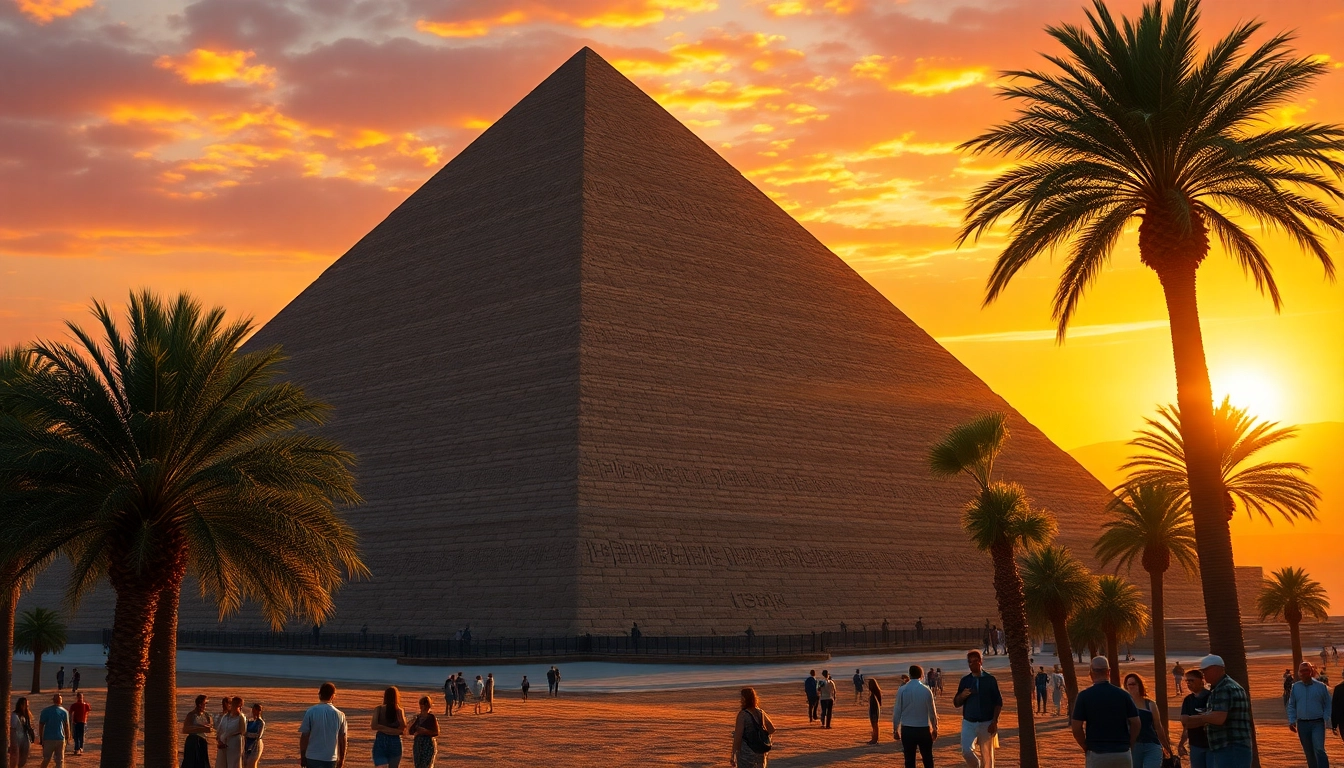
Understanding the Architecture of the Great Pyramid
The Great Pyramid of Giza is a remarkable feat of architecture and engineering, captivating historians, archaeologists, and tourists for centuries. With its monumental scale and precise construction, the pyramid stands as a testament to the advanced capabilities of ancient Egyptian society. At its height, it reached approximately 146.6 meters, originally covered with casing stones that shimmered in the sun. The essence of its grandeur continues to inspire curiosity and debate. To explore more about the fascinating aspects of pyramids, visit https://piraminds.com/.
Historical Context and Significance
Constructed during the Fourth Dynasty around 2580-2560 BC, the Great Pyramid was built as a tomb for Pharaoh Khufu (Cheops). This era of pyramid building represents a significant era in ancient Egyptian history, reflecting not just religious beliefs but also the administrative and engineering skills of the society. The pyramid serves as both a burial place and a means to facilitate the pharaoh’s transition to the afterlife, emphasizing the importance of immortality within their belief system.
Materials Used in Construction
The construction of the Great Pyramid involved approximately 2.3 million blocks of stone, primarily limestone and granite. The outer casing was made of Tura limestone, chosen for its beauty and reflective qualities. The inner chambers utilized granite from Aswan, highlighting the logistics of transportation over long distances. The total weight of materials used is estimated to exceed 6 million tons, showcasing the immense labor and resources your advanced strategies of management.
Structural Innovations of the Great Pyramid
The design of the Great Pyramid involved several innovative structural techniques. Its square base aligns with remarkable precision to the cardinal points. The use of corbel arch construction within the chambers allowed for increased height without imposing excessive load on the lower structures. Furthermore, the pyramid’s sloping sides served a functional dual purpose: directing rainwater away and maintaining stability. It stands as a model of architectural ingenuity that remains studied and revered by today’s engineers and architects.
Exploring the Purpose Behind the Pyramids
Pyramids served multiple purposes beyond being mere tombs; they were deeply intertwined with the spiritual life and cosmic beliefs of ancient Egyptians. Understanding these facets helps elucidate the societal values and structures prevalent during the time.
Tombs for Pharaohs and Their Roles
The primary function of the pyramids was to serve as royal tombs. They were constructed with complex interior designs to ensure safe passage for the bodies of the deceased pharaohs and their belongings. This custom stemmed from the belief in an afterlife, where the pharaoh would require various objects found in life. The burial chambers were filled with treasures, including gold and food, which symbolized continuity and abundance in the afterlife.
The Spiritual Beliefs of Ancient Egyptians
The connection between the pyramids and the afterlife was profound. Ancient Egyptians believed that the construction of these monumental structures would help guide pharaohs into the afterlife, allowing them to ascend to the heavens. The pyramid’s shape, mimicking the sun’s rays, was essential in their journey toward rebirth. This belief in reincarnation and the resurrection of the deceased was a driving force behind the elaborate funerary practices.
Modern Interpretations and Theories
Contemporary examinations of the pyramids continue to reveal new interpretations. Various theories suggest that they could be a form of astronomical observatory marking significant celestial events. Others analyze their alignment with stars and other cosmic bodies, hinting at a dual function as both tombs and astrological markers. The ongoing research fuels an evolving understanding of the pyramids beyond their primary purpose as royal tombs.
Visiting the Pyramids: Traveler’s Guide
Tourism to the pyramids of Giza is not only a way to appreciate ancient history but also an opportunity to engage with Egypt’s vibrant culture. Here’s how to make the most of your visit.
Best Times to Visit the Pyramids
The optimal time to visit the pyramids is during the cooler months from October to April, as the temperatures in Egypt can soar during the summer. Early mornings or late afternoons provide beautiful light for photography and make exploring more comfortable. Additionally, visiting on weekdays can help avoid larger crowds present during weekends.
Tips for a Meaningful Experience
To deepen your visit, consider hiring a local guide who can share insights and stories not commonly found in travel guides. Bring water, wear comfortable footwear, and start your exploration early in the day to maximize your time. Respect local customs and consider using sunscreen to protect against the sun while wandering through the desert. Engaging with local vendors or restaurants nearby also enhances your cultural experience.
Must-See Nearby Attractions from https://piraminds.com/
Beyond the pyramids, the Giza Plateau houses several significant sites worth visiting. The Great Sphinx, an iconic symbol of ancient Egypt, lies close to the pyramids, alongside other lesser-known tombs and temples. The Solar Boat Museum, which exhibits an ancient boat believed to have been used in rituals, is another must-see attraction that enriches your understanding of funerary practices.
Archaeological Discoveries and Ongoing Research
Discoveries across Giza continue to reshape our understanding of ancient Egyptian civilization. Recent excavations unveil the sophisticated techniques and enduring legacy of their endeavors.
Recent Excavations and Findings
Archaeological teams regularly unearth artifacts that provide insight into the daily lives of ancient Egyptians. Recent findings include tools used during construction and various relics that were buried with pharaohs. These artifacts enhance our understanding of the logistics behind pyramid construction and the societal hierarchy of the time.
How Technology is Changing Pyramid Studies
Modern technology, including 3D scanning and ground-penetrating radar, allows researchers to explore pyramids without invasive excavation. These methods can identify hidden chambers and structural changes over time, providing valuable information without damaging the site. The integration of technology for analysis and documentation represents a significant shift in archaeological methodologies.
Case Studies from https://piraminds.com/
Recent studies examining the internal structures of the pyramids have shed light on both their construction techniques and the purpose of specific chambers. For instance, the discovery of voids within the Great Pyramid has sparked debates about their function, whether for structural support or as part of a yet-unknown ceremonial purpose. Such findings contribute to an ever-expanding narrative of Egypt’s rich historical landscape.
Frequently Asked Questions about the Pyramids
What is the historical significance of the pyramids?
Pyramids symbolize the engineering prowess and religious beliefs during ancient Egypt, serving as tombs and cultural landmarks that reflect societal values.
How were the pyramids built without modern technology?
Ancient Egyptians utilized a combination of skilled labor, simple tools, and innovative techniques to quarry, transport, and assemble massive stone blocks with remarkable precision.
Are there hidden chambers inside the Great Pyramid?
Yes, recent technologies have revealed voids and potentially undiscovered chambers within the Great Pyramid, leading to ongoing research and exploration.
What do the hieroglyphs on the pyramids signify?
Hieroglyphs serve as a form of writing used to convey sacred texts and offer insight into the beliefs, traditions, and histories of ancient Egypt.
How can visitors respect the site while enjoying their visit?
Visitors should adhere to guidelines, avoid climbing on structures, and show respect for the site’s cultural significance to preserve its integrity for future generations.