Introduction to Sliding Shower Screens
In the world of modern bathroom design, functionality and aesthetics coexist harmoniously, especially when it comes to enhancing personal spaces with elements like sliding shower screens. These innovative fixtures offer an elegant solution for creating a seamless bathing experience while adding a touch of style to any bathroom. The following sections will dive deep into what sliding shower screens are, their advantages, and the materials commonly used in their construction.
Definition and Purpose
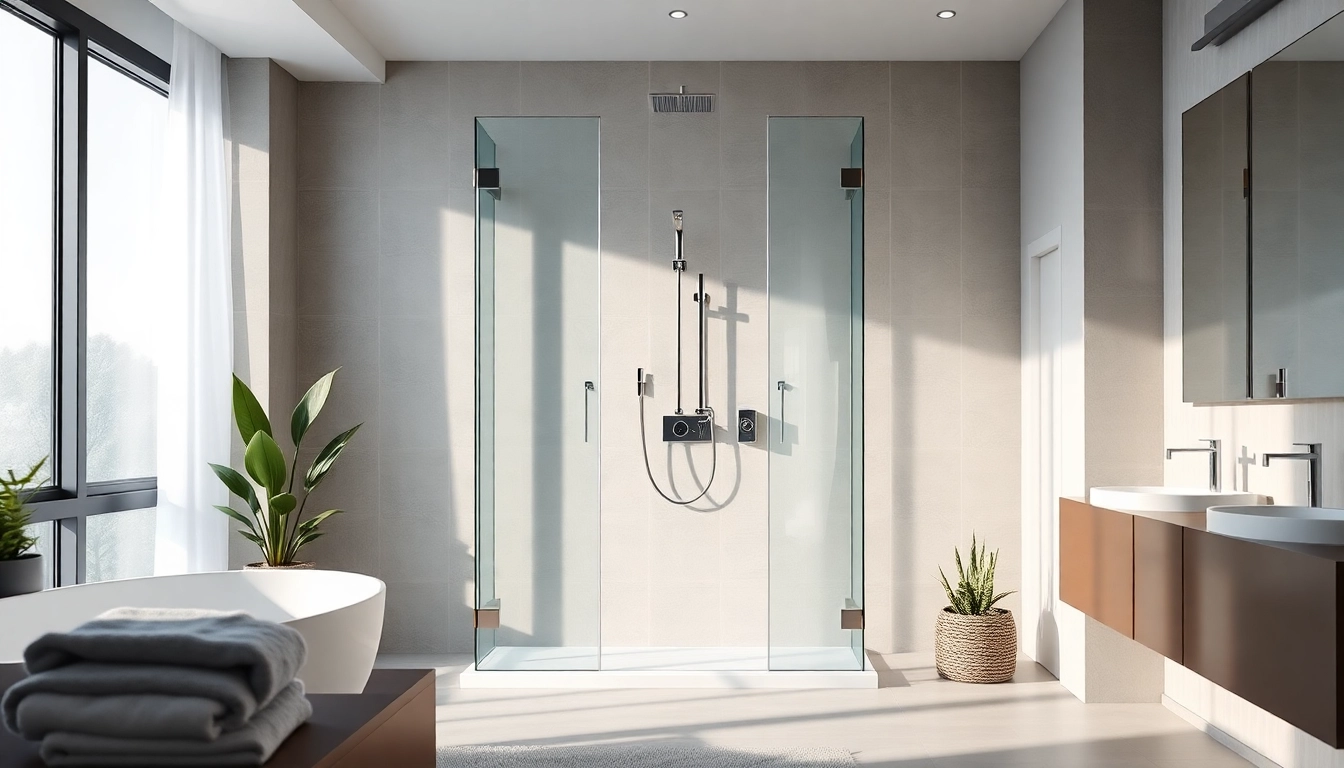
Sliding shower screens are a type of enclosure designed for showers that operate by sliding along tracks, as opposed to opening outward like traditional hinged doors. This design not only optimizes space but also facilitates easy access to the shower area. The primary purpose of sliding shower screens is to provide a barrier that contains water within the shower space, preventing it from spilling onto bathroom floors while enhancing the overall ambiance of the area.
Advantages Over Traditional Shower Doors
Sliding shower screens boast several advantages over their traditional counterparts:
- Space Efficiency: One of the most significant benefits is their space-saving design. They require no extra clearance to operate since they slide instead of swing, making them ideal for smaller bathrooms.
- Modern Aesthetic: Sliding screens tend to offer a sleek, contemporary look that can elevate the visual appeal of any bathroom decor.
- Easy Maintenance: Many sliding shower screens are designed with minimal seams and hardware, making them easier to clean than framed alternatives.
Popular Materials Used
The materials used in manufacturing sliding shower screens play a crucial role in their durability and aesthetic appeal. Some of the most popular materials include:
- Tempered Safety Glass: Known for its strength and safety, tempered glass is a common choice that can resist high temperatures and impact.
- Acrylic: Often used as a more affordable alternative, acrylic shower screens are lightweight and available in various colors and styles.
- Framed vs. Frameless Designs: Both styles are available, with frameless designs offering a more open and modern appearance, while framed screens might provide additional sturdiness.
Selecting the Right Sliding Shower Screens
Choosing the perfect sliding shower screen involves several considerations that ensure functionality meets design preferences. Below are some key aspects to keep in mind when selecting sliding shower screens for your bathroom.
Key Features to Consider
When exploring options for sliding shower screens, consider the following features:
- Track System: Look for screens with robust track systems that allow smooth operation. Some options include top-mounted, bottom-mounted, or a combination of both.
- Glass Thickness: Generally, thicker glass (e.g., 10 mm or more) provides greater durability and a more upscale appearance.
- Water-Sealing Technology: Some screens come equipped with special seals that help to prevent leaks, making them effective in keeping bathrooms dry.
Design Variations Available
Sliding shower screens come in a variety of designs to suit different aesthetic preferences:
- Bypass Doors: These consist of two or more panels that slide past one another, providing easy access.
- Corner Units: Ideal for corner showers, these configurations maximize space and can create a seamless look.
- Curved Screens: For those with rounded shower bases, curved sliding screens offer a unique styling option that perfectly fits the enclosure.
Customization Options
Customization is key in creating a personal touch. Many manufacturers offer options such as:
- Hardware Finishes: Choices in finishes (e.g., chrome, brushed nickel, matte black) help ensure hardware complements the overall bathroom theme.
- Glass Treatments: Options for frosted or patterned glass can enhance privacy while adding a decorative element.
- Size Adjustments: Custom sizing allows you to tailor the screens to fit specific shower dimensions accurately.
Installation Process for Sliding Shower Screens
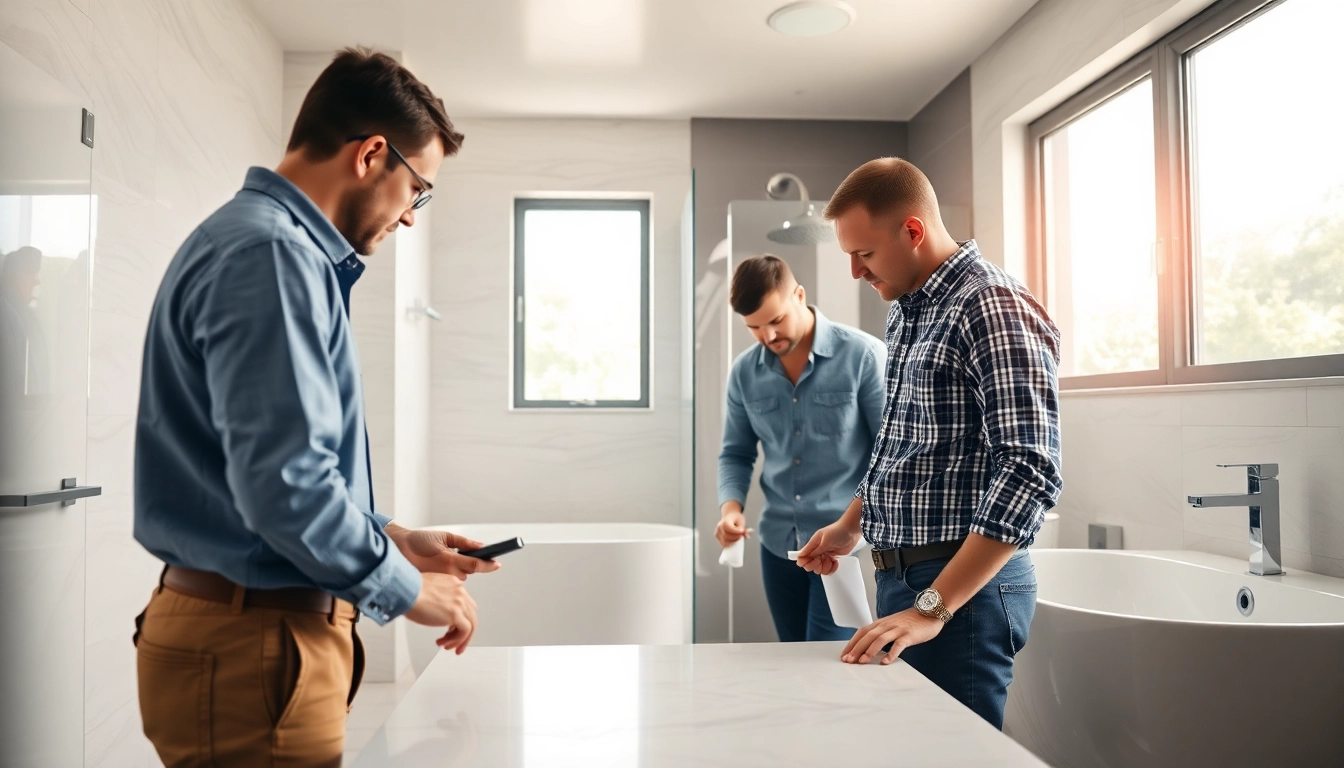
Installing sliding shower screens can be a rewarding DIY project or a job for professionals. Below are insights into the installation process that can make the task easier and ensure optimal results.
Preparation and Measurement Tips
Before starting the installation, it’s essential to accurately measure the shower space:
- Measure the width and height of the shower opening to ensure you purchase the correct size.
- Check for any obstructions in the area where the tracks will be installed.
- Ensure that the wall surfaces are level and in good condition, as any irregularities can affect proper installation.
Step-by-Step Installation Guide
- Gather Tools: You’ll need tools such as a level, drill, tape measure, screwdriver, and safety goggles.
- Install the Track: Using the provided brackets, securely mount the top track to the wall, followed by the bottom track if applicable.
- Hang the Panels: Attach the sliding panels, ensuring they sit correctly in the tracks and align properly.
- Finish with Seals: Apply rubber seals or any necessary caulk to prevent leaks and complete the installation.
Common Mistakes to Avoid
To ensure a successful installation, be mindful of these common pitfalls:
- Neglecting Measurements: Always double-check measurements before cutting materials or mounting screens.
- Improper Seal Installation: Failing to adequately seal can lead to leaks, so ensure thorough application of all seals and caulk.
- Over-tightening Screws: Tighten screws until snug, but avoid over-tightening to prevent cracking the glass.
Maintenance of Sliding Shower Screens
Maintaining sliding shower screens is essential to ensure their long-lasting performance and appearance. Here are some best practices to follow.
Cleaning and Care Best Practices
To keep your sliding shower screens looking pristine, implement these cleaning routines:
- Use a non-abrasive cleaner or a homemade solution of vinegar and water for regular cleaning.
- Squeegee the glass after each use to prevent soap scum buildup.
- Wipe down tracks and rollers regularly to avoid debris buildup, which can hinder movement.
Preventing Wear and Tear
Taking proactive measures can extend the lifespan of your sliding shower screens:
- Ensure that the tracks are properly lubricated as needed to maintain smooth operation.
- Regularly inspect seals and replace them if any damage is detected to avoid leaks.
- Avoid slamming the doors, which can lead to misalignment or damage over time.
When to Replace
Even with proper maintenance, there may come a time when replacement is necessary:
- Cracks or significant scratches in the glass should be addressed immediately as they compromise safety.
- Increased water leakage despite a diligent maintenance routine may signal the need for new seals or replacement.
- Damaged tracks that impede operation may also warrant replacement.
FAQs About Sliding Shower Screens
Are sliding shower screens good?
Yes, sliding shower screens optimize bathroom space, provide modern aesthetics, and are available in various styles and materials.
How much do sliding shower screens cost?
Prices range broadly based on size, material, and customization; typically, sliding shower screens cost between $700 and $2,000.
Can sliding shower screens be installed in any space?
While versatile, sliding shower screens are best suited for spaces with adequate depth for sliding operation, typically requiring a minimum width.
How do you clean sliding shower screens effectively?
Use a non-abrasive cleaner or vinegar solution, squeegee after each use, and ensure to clean tracks and seals regularly.
What styles of sliding shower screens are available?
Styles include bypass, corner units, and curved screens, with options for framed and frameless designs available as well.