
Choosing the Right Ice Maker: Your Comprehensive Guide to Home Ice Solutions
Understanding Ice Maker Basics
What is an Ice Maker?
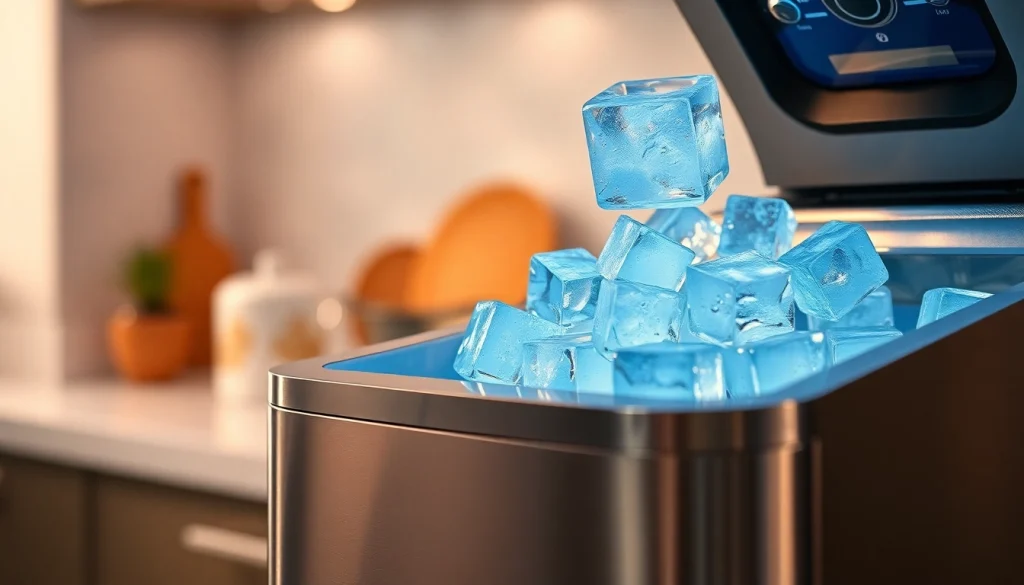
An ice maker is an appliance designed to produce ice automatically, offering a convenient solution for homes, offices, and social events. These machines come in a variety of types, including portable and built-in models, with capabilities ranging from small batches to large quantities of ice. Ice maker functionality includes the ability to create different types of ice, such as cubed, crushed, or nugget ice, catering to a wide range of preferences and needs.
Types of Ice Makers
Ice makers can be categorized into several types based on their design and functionality, each serving specific requirements:
- Portable Ice Makers: Compact and easy to move, these machines are ideal for small spaces or for taking on trips, making them perfect for camping, tailgating, or home bars.
- Built-In Ice Makers: Installed in kitchens or home bars, these ice makers provide a steady supply of ice and integrate seamlessly with cabinetry.
- Commercial Ice Makers: Typically used in restaurants and bars, these machines produce large quantities of ice swiftly and can handle high demands.
- Countertop Ice Makers: These models sit on your kitchen counter, making them accessible without requiring installation. They are great for parties and everyday use.
Key Features to Consider
When selecting an ice maker, consider the following features:
- Production Capacity: Evaluate how much ice the machine can produce in a given timeframe, usually measured in pounds per day.
- Ice Size Options: Some models offer various ice sizes, accommodating different beverage types.
- Energy Efficiency: Look for Energy Star rated appliances to save on electricity costs.
- Self-Cleaning Functions: Regular maintenance is crucial, so self-cleaning features make upkeep easier.
- No Water Supply Needed: Some machines contain a reservoir that does not require a direct water line, enhancing their portability.
Benefits of Using an Ice Maker
Cost-Effectiveness Over Time
Investing in an ice maker can save you money in the long term. Buying bags of ice from stores can add up, especially during summer or parties. By having your ice maker, you eliminate these recurring expenses, allowing you to produce fresh ice as needed without additional costs.
Convenience in Social Settings
During gatherings, having a reliable source of ice is crucial. An ice maker ensures you have sufficient ice for drinks, keeping everything cool. This convenience enhances your entertaining options, allowing guests to enjoy chilled beverages instantly without needing to run to the store.
Variety of Ice Types for Different Needs
Different drinks require different types of ice. For instance, cocktails often taste better with crushed ice, while soft drinks may be best with cubed ice. An ice maker that offers a variety of ice options can enhance the overall drinking experience for you and your guests.
Choosing the Right Ice Maker for Your Home
Assessing Your Ice Needs
Begin by assessing your typical ice consumption. Do you often host large parties or have multiple drinkers throughout the week? If so, you need a larger capacity ice maker. Conversely, smaller households may find portable models sufficient.
Size and Capacity Considerations
Ice makers come in various sizes, and it’s important to choose one that fits your space while meeting your needs. Measure your available space and compare it with the dimensions of the ice maker you wish to purchase. Pay attention to its production capacity, ideally matching or exceeding your consumption habits.
Evaluating Energy Efficiency
Consider the energy efficiency of the ice maker you intend to buy. Look for models with the Energy Star rating, which indicates that they meet specific energy efficiency guidelines set by the U.S. Environmental Protection Agency. Efficient models will save you money on energy bills over time.
Installation and Maintenance of Ice Makers
Installation Recommendations
Proper installation is vital for optimal performance. Portable ice makers can simply be placed on a countertop, while built-in units may require professional installation to align with plumbing and electrical requirements. Always follow the manufacturer’s instructions for setup. If installing a built-in model, ensure it has adequate ventilation.
Routine Maintenance Tips
Regular cleaning and maintenance ensure the longevity of your ice maker. Here are tips for keeping your machine in top shape:
- Clean the water reservoir and ice bin regularly to prevent algae buildup.
- Use a soft cloth to remove any ice residue or debris from the exterior.
- Check the water filter and replace it according to the manufacturer’s recommendations.
- Run self-cleaning cycles if your model supports it.
Troubleshooting Common Issues
If your ice maker starts malfunctioning, here are a few common troubleshooting steps:
- Check if the machine is plugged in and powered on.
- Ensure there’s adequate water supply and that the water lines are not obstructed.
- Inspect the ice bin for proper placement and ensure it isn’t full.
- Look for any unusual noises; if heard, consider consulting the manual for potential issues.
Top Tips for Long-lasting Ice Makers
Usage Tips for Peak Performance
For optimal performance, avoid overfilling the ice bin as it can affect ice production. Allow the machine to cycle for a few minutes after heavy use, and ensure adequate airflow around the unit to reduce strain on the compressor.
Cleaning and Care Practices
During cleaning, use vinegar or a dedicated ice maker cleaner once a month to maintain cleanliness. Descale the machine every few months, especially in areas with hard water, to keep it running smoothly.
When to Seek Professional Help
If troubleshooting does not resolve your issues, or if you notice significant drops in ice production or quality, it might be time to consult a professional. They can diagnose and fix problems that require technical expertise that may be outside the typical maintainable tasks.
Frequently Asked Questions
1. How long do ice makers last?
Ice makers typically last around 5 to 10 years, depending on usage and maintenance. Regular care can extend their lifespan.
2. Can I make ice without a water line?
Yes, many portable ice makers have internal water reservoirs, allowing you to make ice without a direct water line connection.
3. Is it cheaper to buy ice or an ice maker?
While the initial cost of an ice maker might be higher, in the long run, it can save you money on constantly buying ice bags from stores.
4. How much ice do I need?
A general rule is to have around 1 pound of ice per person for drinks at gatherings. Assess your typical consumption for a more accurate estimate.
5. Can I leave the ice maker running all the time?
Yes, as long as it is designed for continuous operation. However, check the manufacturer’s guidelines for optimal usage recommendations to avoid potential damage.